
Insurance for Small Farms and Hobby Operations: Tractors, Liability, and More
Owning acreage in Nevada offers a sense of independence that few other lifestyles can match. Whether you run a ten-acre horse property in the Carson Valley, manage an alfalfa patch outside Fallon, cultivate high-desert fruit trees, or care for a hobby spread, rural life brings deep satisfaction yet unique responsibilities.
Why Small Farms and Ranches Need Specialized Protection
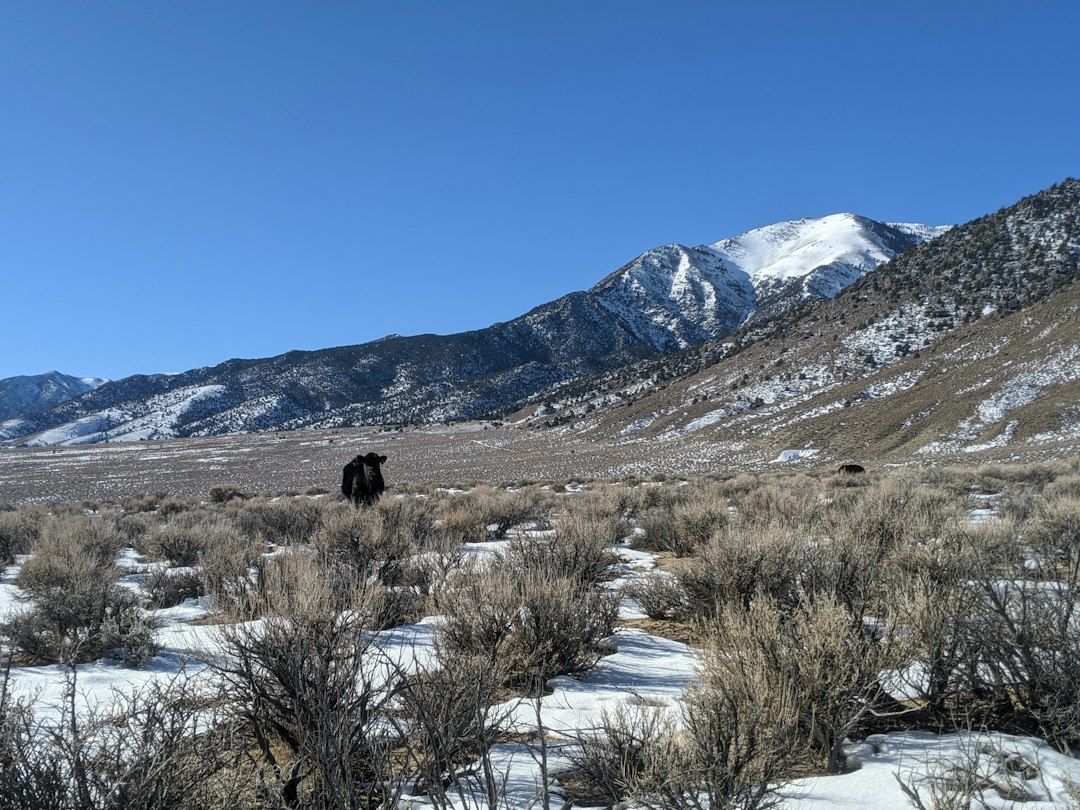
Owning acreage in Nevada offers a sense of independence that few other lifestyles can match. Whether you run a ten-acre horse property in the Carson Valley, manage an alfalfa patch outside Fallon, cultivate high-desert fruit trees in Mason Valley, or simply care for a hobby spread in Washoe Valley, rural life brings deep satisfaction. Along with open land and mountain views, however, comes a unique collection of responsibilities that standard suburban insurance policies were never designed to handle.
Many landowners assume their standard homeowners policy extends across every fence line, outbuilding, and tractor on their property. In our more than fifty years of helping Nevada families protect what matters most, we have seen how quickly that assumption unravels after an unexpected storm, equipment accident, or liability claim. The moment an activity generates even a modest income, or the moment machinery leaves your domestic yard, conventional home insurance routinely steps back. Selecting the right insurance for small farms requires understanding where residential coverage ends and where commercial or farm-specific protection must step in.
The Rural Reality: Navigating the Line Between Hobby and Business
Small-scale farming is undergoing a noticeable renaissance across the Silver State. According to data published by the USDA National Agricultural Statistics Service, small family farms account for approximately 85 percent of all agricultural operations in the United States. In our state, information from the Nevada Department of Agriculture highlights a vibrant agricultural sector where historic cattle ranches share valleys with boutique growers, equestrian centers, and lifestyle homesteaders.
The primary insurance challenge that hobbyists and small operators face is defining their operational status. An insurer views a true hobby farm differently from an active commercial venture:
- A hobby farm is generally operated for personal enjoyment, family sustenance, and lifestyle rather than primary income. It often features a few horses, laying hens, a family garden, and perhaps a compact tractor for property upkeep.
- A commercial small farm regularly produces goods for sale to the public. This includes selling packaged honey, market vegetables, fresh eggs, goat milk soap, or small bales of hay at farm stands and farmers markets. The dividing line becomes blurred faster than most owners anticipate. Selling two dozen eggs a week to neighbors or baling an extra cutting of hay for a boarding stable down the road might seem informal, but insurance underwriters classify those transactions as business pursuits.
Standard homeowners policies contain explicit business exclusions. If a customer visits your gate to pick up produce, trips over an irrigation pipe, and breaks an ankle, a conventional homeowner liability policy could deny the claim entirely because the injury arose out of an excluded business activity. Transitioning to dedicated farm business insurance or adding specialized endorsements resolves this risk, creating a reliable barrier between your business exposures and your personal assets. You can learn more about how tailored commercial policies safeguard growing ventures in our guide to small business insurance in Nevada: complete coverage guide.
Outbuildings, Livestock, and the Search for the Best Compact Tractor Insurance
A small farm is only as functional as its infrastructure and machinery. Protecting these physical assets requires moving beyond standard dwelling policies, which typically limit coverage for detached structures to a fixed percentage of your main house value.
Protecting Barns, Loafing Sheds, and Arenas
On a rural property, outbuildings frequently exceed the value of standard domestic outbuilding allowances. Hay barns, metal workshops, loafing sheds, tack rooms, and equestrian arenas face harsh high-desert elements, including relentless sun, heavy Sierra snow loads, and fierce spring winds.
A standard policy might cap other structures at ten or twenty percent of the primary dwelling limit. If you have an eighty-thousand-dollar custom barn housing hay, livestock, and machinery, that standard limit leaves you underinsured. Farm property policies allow you to specifically schedule individual structures at agreed values, ensuring full replacement capacity following a severe wind event or wildfire.
Securing Machinery: What Makes the Best Compact Tractor Insurance
For almost every small farm owner, a sub-compact or compact utility tractor is the single most essential piece of equipment on the property. Whether it is a twenty-five-horsepower Kubota, a John Deere 3-series, a Bobcat, or a Mahindra, these versatile machines clear snow, dig post holes, move round bales, and grade driveways.
Homeowners insurance rarely provides adequate coverage for tractors, especially once you add attachments or take the machine off your deeded land. Finding the best compact tractor insurance means looking for inland marine or scheduled farm personal property coverage that provides true physical damage protection. Essential features of high-performing tractor coverage include:
- Comprehensive physical damage protection: Coverage against upset, rollover, collision, fire, theft, hail, vandalism, and falling objects.
- Attachment coverage: Front-end loaders, backhoe attachments, box blades, post-hole augers, and rotary mowers must be listed on the policy so their value is not excluded during a loss.
- Off-premises transport and operation: Ensuring the tractor remains fully insured when driven down a county road or hauled on a utility trailer to assist a neighbor.
- Ingestion of foreign objects: Specialized protection if your mower or baler accidentally picks up a hidden rock or piece of metal, destroying the internal mechanics. Without an inland marine floater or scheduled farm equipment rider, a tractor damaged in an accidental ditch rollover or ruined by a brush fire could leave you paying thousands of dollars out of pocket. For more details on safeguarding high-value machinery, explore our overview of protecting business equipment and tools with property insurance.
Livestock and Open Range Considerations
Nevada is fundamentally an open range state under statute, yet fencing and livestock management remain complex legal landscapes. If your horses, cattle, or goats push through an enclosure and wander onto a nearby highway, the resulting vehicular collision can create enormous liability exposure.
Specialized farm policies provide livestock liability that defends you against third-party property damage or injury claims. Furthermore, livestock mortality and accidental shooting coverage can be added to protect against the loss of valuable breeding stock, show animals, or working horses.
Small Farm Liability Insurance: Visitors, Products, and Public Exposure
Property damage is frustrating, but liability claims are catastrophic. Without proper protection, a single severe incident can put your land, personal savings, and family retirement at risk.
Securing comprehensive small farm liability insurance is critical for operations that invite the public onto the property or sell consumable goods. Liability exposures fall into three major categories:
1. On-Premises Premises Liability
Rural properties present natural hazards that city lots do not. Uneven ground, irrigation ditches, electric fences, guardian dogs, and large livestock all introduce injury risks for visitors. If you host an occasional farm tour, allow local riders to use your arena, or operate a small pick-your-own pumpkin patch, your visitor exposure rises significantly. Farm liability policies provide medical payments and legal defense coverage if an invited guest or customer sustains an injury on your property.
2. Product and Completed Operations Liability
If you sell raw honey, jarred preserves, fresh produce, cut flowers, or farm-raised poultry, you enter the chain of commerce. If a consumer claims your product caused severe foodborne illness or an allergic reaction, product liability coverage covers legal defense fees, settlements, or court judgments. Without this provision, your personal bank accounts stand directly in the line of legal fire.
3. Off-Premises and Escape Liability
Whether it is a livestock trailer coming unhitched, an animal escaping an enclosure into neighboring cropland, or dirt tracking onto a public road from your access lane, farm liability extends to off-site damage caused by farm operations. To see how unexpected liability scenarios materialize in everyday business life, review our breakdown of real-world general liability claim examples for Nevada small businesses.
To build a truly resilient defense, many small acreage owners combine their primary farm liability with an umbrella policy. An umbrella policy adds excess liability protection in million-dollar increments, providing peace of mind against severe legal claims. You can read more about coordinating these limits in our guide to umbrella insurance for extra protection.
Farm-Adjacent Ventures: Repair Services, Dirt Work, and Commercial Vehicles
A growing trend among Nevada homesteaders and small farm operators involves using existing tools and mechanical skills to generate supplemental revenue. Two of the most common farm-adjacent enterprises are equipment maintenance and light earthmoving. While these activities are practical ways to diversify your income, they introduce commercial exposures that standard farm policies will not cover.
Mechanical Services and Small Engine Repair Business Insurance
If you have an equipped workshop on your property and spend weekends servicing lawn mowers, chainsaws, generators, utility terrain vehicles, and compact tractors for neighbors, you are running an independent service business.
Operating without small engine repair business insurance creates dangerous financial vulnerabilities. Standard general liability will not cover damage to a customer's property while it is in your care. A specialized policy package for small engine repair addresses these specific risks:
- Garagekeepers liability: Protects customer equipment stored in your workshop or barn against fire, theft, vandalism, or accidental damage while awaiting repair.
- Faulty workmanship and completed operations: Covers claims if a repair fails after the machine leaves your shop, such as an improperly tightened fuel line causing an engine fire on the customer's property.
- Tool and diagnostic equipment coverage: Replaces expensive specialized hand tools, diagnostic readers, and shop equipment if stolen or destroyed. Separating your hobby tinkering from a commercial mechanical service protects both your personal workshop and your professional reputation.
Dirt Work, Trenching, and Small Business Excavation Insurance Cost
Many compact tractor owners invest in front-end loaders, backhoes, and box blades, quickly realizing that local neighbors need driveways graded, post holes dug, ditches cleared, or irrigation trenches excavated. Stepping off your acreage to perform earthwork for pay transitions you directly into the excavation and grading trade.
Digging involves serious risks, including striking underground utilities, destabilizing retaining walls, or altering natural water runoff patterns that later flood neighboring structures. When planning for this work, understanding small business excavation insurance cost helps you price your services profitably while remaining properly protected.
For a sole proprietor or small rural contractor operating a compact tractor or mini-excavator, annual excavation insurance costs generally range between $1,200 and $2,800. The total premium depends on several key underwriting factors:
- Scope and depth of digging: Shallow trenching for irrigation or simple driveway grading carries lower risk and lower premiums than deep foundation work or utility trenching near public rights-of-way.
- Annual gross revenue: Premiums scale alongside the total volume of work you perform each year.
- Safety protocols: Demonstrating consistent use of utility locate services like Call 811 before every job lowers underwriting risk.
- Equipment transit limits: Inland marine coverage for your machinery while it is being transported on roadways. Carrying the proper excavation endorsements shields you from costly underground utility repairs and property disputes.
Hauling Equipment: The Commercial Auto Factor
If you load your compact tractor, mini-excavator, or mowers onto a heavy-duty trailer and pull them behind your three-quarter-ton or one-ton pickup truck to perform paid work, personal auto insurance is insufficient. In the event of an accident on the highway, personal auto insurers can deny claims if they discover the vehicle was engaged in commercial work or towing commercial tools.
Securing a dedicated commercial policy ensures your truck, trailer, and attached machinery remain protected under commercial auto guidelines. Learn how commercial auto policies fit your vehicle fleet in our comprehensive resource on commercial auto insurance: protecting your business vehicles.
Small Farm Policy Audit: An Actionable Checklist
Reviewing your coverage once a year helps you catch emerging risks before they turn into costly claims. Use this practical audit checklist to review your small acreage exposures:
- Inventory all outbuildings: List every barn, workshop, loafing shed, and greenhouse. Compare their current rebuilding cost against the limits listed on your policy declarations page.
- Schedule all machinery and attachments: Write down the make, model, serial number, and purchase cost of your tractor, utility vehicle, implements, and trailers. Ensure your equipment coverage includes off-premises transit.
- Evaluate commercial activities: Review whether you sold any produce, animals, eggs, honey, or hay over the past twelve months. Disclose any customer visits or paid farm tours to your agent.
- Audit off-property services: If you perform custom hay baling, snow plowing, driveway grading, or mechanical repairs for neighbors, confirm that these tasks are endorsed on a commercial policy.
- Check livestock containment and liability: Verify that your liability policy includes coverage for livestock escapes onto public thoroughfares and open range areas.
- Review total liability limits: Consider whether your underlying liability limits are adequate to protect your total net worth, including land value and retirement savings. Pair primary limits with a commercial or personal umbrella policy. For insight into aligning these protections, consult our guide on coordinating home and umbrella coverage limits in Nevada.
Safeguarding Your Rural Investment with Confidence
Running a small farm, keeping horses, or maintaining a rural homestead in Nevada is an enriching pursuit that requires hard work, patience, and careful management. Your property is more than just real estate; it represents an investment in family lifestyle, tradition, and personal independence.
Leaving your land, equipment, and personal assets exposed to outdated coverage limits or business exclusions introduces unnecessary financial danger. By pairing comprehensive property coverage with robust equipment protection and the right liability policies, you can operate your equipment, welcome visitors, and expand your acreage pursuits with complete peace of mind.
Larry Peyton Insurance Agency
Navigating the intersection of rural living, farm equipment protection, and commercial liability requires a local partner who understands the Nevada land and community. For over fifty years, our team at Larry Peyton Insurance Agency has helped individuals, families, and rural business owners protect what matters most. With more than one hundred years of combined industry expertise, our friendly and knowledgeable staff is large enough to handle complex farm and commercial risks, yet small enough to provide the attentive, personal care you deserve. Get a quote today and receive personalized assistance. Discover how we can help you achieve your goals with reliable protection built specifically for your property and way of life.
By Larry Peyton Farmers Insurance & Team
Your local, trusted, insurance professional.
Fast, friendly quotes from top-rated carriers.