
Classic Car Insurance in Nevada: How It Differs from Regular Auto Insurance
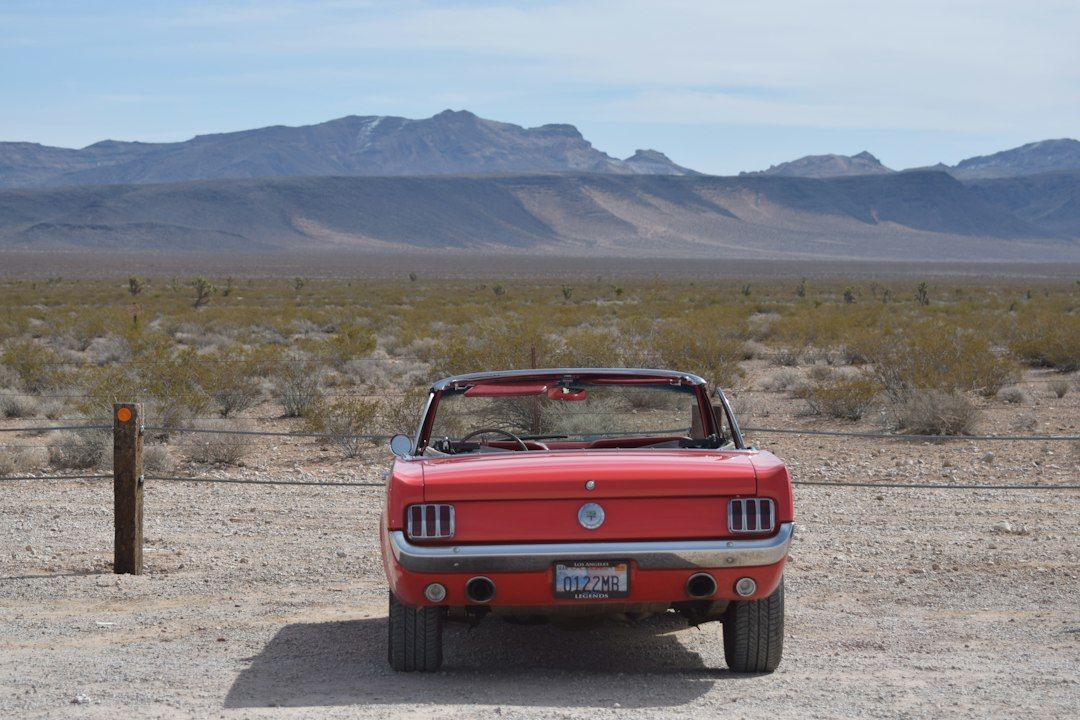
Nevada is a haven for automotive enthusiasts. From the glittering showcase of Hot August Nights in Reno to weekend cruises down the Las Vegas Strip, the culture of preserving automotive history is alive and well across our state. As a proud owner of a vintage vehicle, you already know that your prized possession is not just another car—it is a substantial investment, a piece of art, and a labor of love.
Introduction
Nevada is a haven for automotive enthusiasts. From the glittering showcase of Hot August Nights in Reno to weekend cruises down the Las Vegas Strip, the culture of preserving automotive history is alive and well across our state. As a proud owner of a vintage vehicle, you already know that your prized possession is not just another car. It is a substantial investment, a piece of art, and a labor of love. So why would you ever insure it like a standard commuter vehicle?
At Larry Peyton Insurance Agency, we have spent over fifty years helping individuals and businesses find the right coverage. With over one hundred years of combined expertise, our friendly staff understands that securing classic car insurance in Nevada requires a completely different approach than buying a typical auto policy. In this article, we will explore exactly how a classic car policy differs from regular auto insurance, focusing on eligibility, valuation, mileage limits, and storage requirements so you can make an informed decision for your rolling masterpiece.
Overview of the Classic Car Market and Nevada Regulations
The collector car market is evolving rapidly. A recent industry analysis projects the global classic car market will grow from an estimated $40.8 billion in 2025 to over $94 billion by 2035. This surge in interest is not just coming from retirees seeking the American muscle cars of their youth. A new generation of enthusiasts is entering the hobby, actively acquiring 1980s, 1990s, and early 2000s performance vehicles. With so much passion and financial investment pouring into these vehicles, protecting them properly is a top priority for owners.
In our state, the rules surrounding classic cars go well beyond basic aesthetics. The Nevada Department of Motor Vehicles has specific legal frameworks for vehicles bearing Classic Vehicle or Classic Rod license plates. According to Nevada state law, to qualify for a Classic Vehicle plate, the car must be manufactured at least 25 years prior to the application date and contain original parts or exact replacement duplicates. More importantly, the state mandates that owners of these special plates must carry dedicated classic or antique vehicle insurance.
You cannot simply slap a standard auto policy on a vehicle registered with classic plates. If you try to bypass this, you risk losing your specialty plates and the valuable emissions exemptions that come with them. Standard auto insurance is designed for vehicles used for general transportation, which are depreciating assets driven daily in unpredictable traffic. Classic car insurance is strictly tailored for appreciating or stable assets that are driven infrequently and maintained meticulously.
Understanding this distinction is the foundation of choosing the right insurance in Reno and throughout Nevada. Our agency recognizes that you need a policy built around the unique risks and rewards of owning a collector car, rather than a generic commuter plan.
Eligibility: Does Your Vehicle Qualify?
Not every older vehicle qualifies for a classic car policy. Just because a sedan has survived for two decades does not automatically make it a collector item in the eyes of an underwriter. Insurance carriers look at a strict combination of vehicle age, usage, condition, and driver profile to determine eligibility.
First, let us look at the vehicle itself. Generally, insurance carriers classify a classic car as being at least 20 to 25 years old. However, newer vehicles can sometimes qualify if they are considered exotic, limited production, or modern classics. The vehicle must be in exceptional condition, whether it is a fully restored showpiece, a well preserved survivor, or an active restoration project. It cannot be heavily modified for off road racing or daily utilitarian tasks.
Second, the driver profile matters significantly. Insurance carriers typically require the policyholder to have a clean driving record. Drivers usually need a minimum of five to ten years of driving experience, which means adding a newly licensed teenager to a classic car policy is rarely permitted by specialty carriers.
Third, and perhaps most importantly, every licensed driver in the household must have a separate, daily use vehicle insured under a standard auto policy. Classic car insurance is secondary by nature. Underwriters need proof that you are not relying on your 1969 Chevrolet Camaro to get you to work, pick up groceries, or drop the kids off at school. The classic vehicle must be reserved for pleasure driving, car club events, and exhibitions. If you are looking for coverage that fits these exact parameters, exploring your personal insurance options with an experienced local agent will save you a tremendous amount of time and frustration.
The Financial Core: Agreed Value versus Actual Cash Value
The most critical difference between regular auto insurance and classic car insurance is how the vehicle is valued in the event of a total loss. This factor alone makes a specialty policy a necessity rather than a luxury.
Standard auto insurance relies on a metric called Actual Cash Value. If you are involved in a severe accident while driving your standard daily commuter, the insurance company will calculate the replacement cost of the vehicle and then subtract depreciation based on age, mileage, and wear and tear. Because regular cars lose value every single year, an Actual Cash Value payout will almost always be lower than what you originally paid for the vehicle.
Classic cars operate on a completely different financial reality. A well maintained vintage vehicle usually appreciates over time or holds its value securely. Applying depreciation to a collector car would be disastrous for the owner. This is why classic car insurance utilizes Agreed Value coverage.
With an Agreed Value policy, you and the insurance carrier mutually agree on the exact value of the vehicle when the policy is written. This number is based on professional appraisals, market trends, and detailed documentation of the vehicle condition and restoration history. If the worst happens and your classic car is totaled or stolen, the policy will pay out that exact agreed upon amount, minus your deductible, with absolutely no depreciation applied.
For example, if you and the insurer agree that your restored 1970 Ford Mustang Mach 1 is worth $65,000, and it is destroyed in a garage fire, you will receive $65,000. If that same Mustang were somehow insured on a standard auto policy, a claims adjuster might treat it as a heavily aged used car and offer a mere fraction of its true worth in the collector market. Securing an Agreed Value policy is the absolute best method for protecting your collector vehicle from a catastrophic financial loss.
Navigating Mileage Limits and Usage Restrictions
Another stark contrast between standard and classic policies involves how often, and how far, you can drive the vehicle. Standard auto policies offer unlimited mileage for daily commuting, erratic errand runs, and extensive road trips. Classic car policies are priced significantly lower than standard policies precisely because the vehicles are driven far less and are therefore exposed to much less risk on the road.
To qualify for these lower premiums, classic car policies include strict annual mileage restrictions. Depending on the specialty carrier and the specific policy, you might be limited to 2,500 to 5,000 miles per year. The acceptable usage is generally restricted to weekend pleasure drives, parades, car club events, and trips to the mechanic.
This mileage restriction aligns perfectly with Nevada DMV regulations. To maintain a Classic Vehicle or Classic Rod license plate and keep your valuable exemption from annual emissions testing, Nevada law requires that the vehicle not be driven more than 5,000 miles per year.
If you decide you want to use your vintage car for general transportation, you will eventually lose the emissions exemption, you will have to surrender the classic plates, and your classic auto insurance carrier will likely drop your coverage. We always advise our clients to be completely honest about their driving intentions. If you want to daily drive an older vehicle, you need a standard auto policy. If you treat your vehicle like a weekend treasure, the generous mileage limits of a classic policy will easily accommodate your lifestyle.
Storage Requirements for Classic Cars
Where you park your vehicle at night might not matter much for a standard auto policy, aside from general geographic rating factors. A modern commuter car can sit in an open driveway or on the street without voiding its coverage. For a classic car, proper storage is a strict and non negotiable underwriting requirement.
Because classic cars are highly valuable and often lack modern anti theft technology, they are prime targets for vandalism and theft. Furthermore, the extreme summer heat and occasional winter snow in northern Nevada can cause severe, irreversible damage to vintage paint, convertible tops, and classic leather interiors.
To obtain classic car insurance, carriers almost universally require that the vehicle be kept in a fully enclosed, locked, and secure structure. This typically means a private residential garage, a locked pole barn, or a dedicated classic car storage facility. Carports, driveways, and open parking lots are generally not acceptable to specialty carriers. When you apply for a policy, the carrier may even ask for photographs of the garage or storage unit to verify compliance. By keeping the vehicle securely stored, you drastically reduce the risk of environmental damage and theft, which directly contributes to the heavily discounted premium costs associated with classic policies.
Specialized Coverages Beyond the Basics
Standard car insurance is highly commoditized and focuses heavily on bodily injury and property damage liability. While classic car insurance certainly provides robust liability protection, it also offers specialized endorsements perfectly tailored to the hobbyist.
One major benefit is spare parts coverage. Many enthusiasts keep valuable original engine blocks, rare trim pieces, and specialty tools in their garages. A classic car policy can often include coverage for these spare parts if they are stolen or destroyed in a garage fire. Standard auto policies do not extend to automotive parts sitting on a shelf.
Another vital endorsement is automotive restoration coverage. If you purchase a classic car that needs work, the vehicle value will increase as you invest time and money into the restoration. Some classic policies are designed to automatically increase the Agreed Value by a set percentage each quarter to reflect the growing value of the vehicle as it is being built.
Additionally, roadside assistance for classic cars is vastly different from a standard tow service. If your vintage vehicle breaks down, you cannot simply hook it to a standard tow truck without risking severe damage to the suspension or delicate drivetrain. Classic car roadside assistance guarantees flatbed towing performed by operators who are specially trained in handling vintage automobiles.
Depending on the size of your collection and your overall assets, you might also want to look into how your liability limits interact with other policies. Learning What Is an Umbrella Policy and What Does It Cover? is a great next step for individuals who want to ensure their wealth is fully shielded from major liability claims while enjoying their high value hobbies.
Our Industry Insights: Preserving Your Rolling Masterpiece
At Larry Peyton Insurance Agency, our team is passionate about client education. We cannot always control the market rates set by insurance companies, but we can control how our clients are treated with respect, ensuring they are highly satisfied and well informed. If you are stepping into the world of classic car ownership, our biggest piece of advice is to meticulously document everything.
Keep a detailed file of all restoration receipts, maintenance records, and professional appraisals. Because the classic car market fluctuates, an appraisal from ten years ago will not accurately reflect the current worth of your vehicle. We recommend having your classic car professionally appraised every three to five years. When the value goes up, contact us immediately so we can adjust your Agreed Value limit. It is a terrible feeling to experience a total loss on a car that appreciated by twenty thousand dollars over a five year span, only to realize the policy was never updated to reflect the new market value.
We take immense pride in getting to know our clients and their unique needs. We are large enough to handle complex policy structures but still small enough to genuinely care about the people we serve in our local community. Do not just take our word for it; we encourage you to browse through our customer reviews to see how our knowledgeable and friendly staff rises high above the competition.
Conclusion
Owning a piece of automotive history comes with a unique set of responsibilities. Whether you own a pristine mid century roadster, an aggressive muscle car, or a modern classic from the early 2000s, standard auto insurance will fall dangerously short of providing the financial safety net you need. From strict storage requirements and limited mileage expectations to the vital importance of Agreed Value payouts, classic car insurance is a specialized product built specifically for true enthusiasts. By understanding these key differences, you can protect your investment, maintain compliance with state regulations for specialty license plates, and enjoy the open road with complete confidence.
Get Protected Today
Your vintage vehicle represents a major investment of your time, money, and passion. Do not leave its protection to chance with a standard auto policy that cannot honor its true value. At Larry Peyton Insurance Agency, our dedicated team is here to guide you through the process of securing specialized coverage that perfectly fits your lifestyle. Get a quote today and personalized assistance. Discover how we can help you achieve your goals by visiting our homepage.
By Larry Peyton Farmers Insurance & Team
Your local, trusted, insurance professional.
Fast, friendly quotes from top-rated carriers.