
Classic Car Insurance in Nevada: Protecting Your Collector Vehicle
If you own a collector vehicle in Nevada, you already know it is not just another way to get from point A to point B. Whether it is a fully restored muscle car, a carefully preserved antique, or a modern exotic that rarely sees rain, it deserves something better than a standard auto policy. Classic car insurance in Nevada is designed for that exact situation.
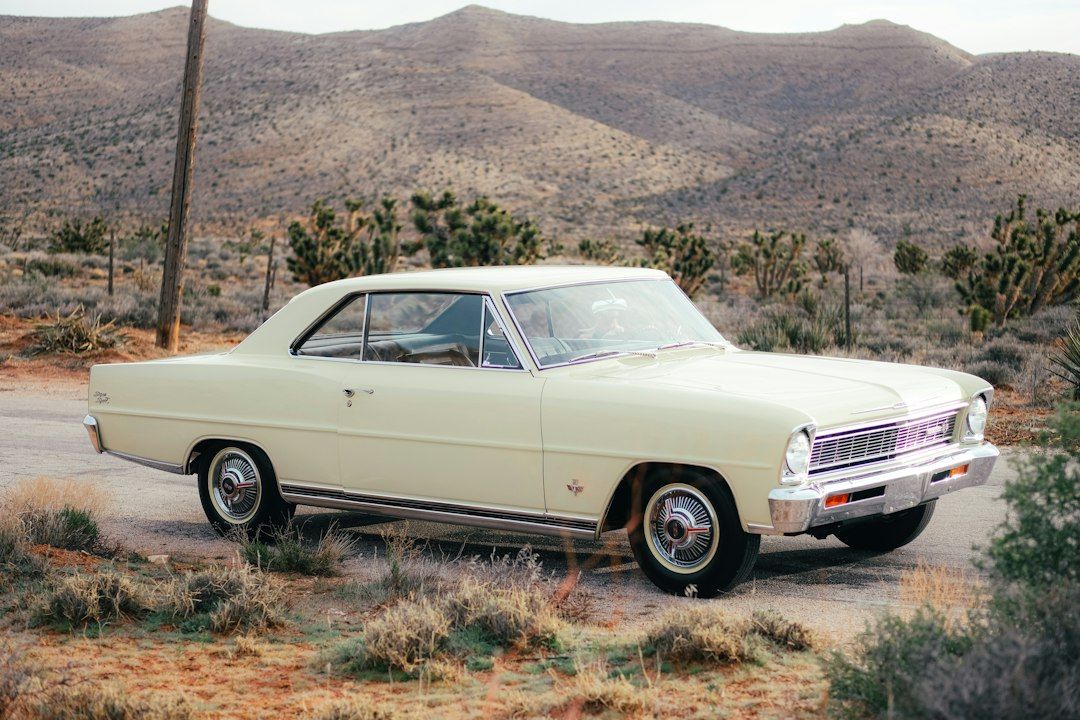
Understanding Classic Car Insurance in Nevada
If you own a collector vehicle in Nevada, you already know it is not just another way to get from point A to point B. Whether it is a fully restored muscle car, a carefully preserved antique, or a modern exotic that rarely sees rain, it deserves something better than a standard auto policy.
Classic car insurance in Nevada is designed for that exact situation. It typically offers agreed value coverage, special protection for spare parts and restoration work, and pricing that reflects occasional pleasure use instead of daily commuting. The key is understanding how these policies work, what Nevada law requires, and how a local agent can help you fit coverage into your overall protection plan.
If you are still sorting out your broader protection, our guide on choosing the right insurance in Reno is a good companion to this article.
What Makes Classic Car Insurance Different?
Before we talk about details like agreed value and usage limits, it helps to clarify how collector coverage differs from regular auto insurance.
Classic vs regular auto insurance
Most standard auto policies pay claims based on "actual cash value." In practice, that usually means the insurer starts with the current market value of a typical vehicle of that year and model, then subtracts for depreciation and prior damage. That approach works reasonably well for a 7-year-old commuter car. It does not work at all for a fully restored 1969 Camaro or a meticulously preserved 1980s Porsche.
According to specialty insurers such as Hagerty and classic car industry data, collector vehicles often appreciate or at least hold their value better than typical daily drivers. Standard insurers and many online quoting tools are simply not built for that.
Classic car insurance in Nevada is designed around three core differences:
- Agreed value, not depreciated value
- Usage based on limited, pleasure driving
- Storage and eligibility requirements that match how collectors actually use their cars
How Nevada defines a "classic" vs how insurers do
The Nevada Department of Motor Vehicles offers special "Classic Vehicle" and "Old Timer" plates. The DMV generally looks at vehicle age and, in some cases, annual mileage and emissions requirements. For example, a vehicle that is at least 25 years old may qualify for certain plate designations if it is used primarily for exhibitions, club events, and occasional pleasure drives.
Insurance companies may use similar age thresholds, but each carrier defines "classic" differently. Some will write policies for:
- Vehicles 25 years and older that are well maintained
- Newer exotics and limited-production sports cars
- Street rods, customs, and replica vehicles
- Vehicles under active, documentable restoration This is why an experienced local agent will usually ask questions beyond "what year is it?" and may request photos, appraisals, or build sheets to place your car with the right specialty carrier.
Nevada’s higher auto insurance environment
Nevada consistently ranks among the more expensive states for auto insurance, according to the Insurance Information Institute and consumer rate studies, largely due to factors like rapid population growth, urban congestion, and rising repair costs. That makes it even more important to choose coverage intentionally rather than automatically adding your collector to the same policy as your daily driver. With the right structure, you can often get better protection at a surprisingly competitive classic-car rate.
For most households, a collector car is just one piece of the bigger protection puzzle. You can see how it fits with your home, auto, and umbrella in our broader personal insurance overview.
How Agreed Value Coverage Protects Your Collector Vehicle
One of the most important differences with classic car insurance is how your vehicle is valued if it is stolen or totaled.
Actual cash value vs agreed value
- Actual cash value (ACV). Standard auto policies usually pay ACV. The insurer estimates what a typical buyer would pay for a similar vehicle just before the loss, then subtracts for wear and tear. For collector cars where restoration receipts may exceed "book value," ACV almost never tells the full story.
- Agreed value (or guaranteed value). Most specialty classic policies use agreed value. At the start of the policy, you and the insurer agree on a specific dollar amount for the vehicle, based on appraisals, market guides, recent sales, and your restoration documentation. If the car is stolen or declared a total loss, the insurer pays that agreed value (minus any deductible), not a depreciated estimate. The Insurance Information Institute notes that agreed value policies are one of the best ways for owners of high-value or unique vehicles to avoid underinsurance. From my own experience sitting with Nevada collectors after a major claim, that agreed figure can be the difference between rebuilding without financial strain and having to accept a painful loss.
How carriers determine agreed value
Specialty carriers typically look at:
- Professional appraisals or valuation reports
- Recent auction results or private-sale data for similar vehicles
- Photographs from multiple angles
- Restoration receipts, parts invoices, and shop records
- Special features such as matching numbers, rare options, or limited production As a local agent, I often ask collectors to keep a simple digital folder with photos and receipts. When it comes time to set or update the agreed value, we can send everything to underwriting quickly and make sure the figure tracks with current market trends.
Reviewing value over time
Collector car values can fluctuate with the market. Some models jump in value, others cool off. Hagerty and other market trackers publish regular insights on which segments are trending up or down.
Good practice:
- Review your agreed value every 1 to 2 years
- Increase coverage if you have invested in major upgrades or a frame-off restoration
- Consider decreasing only if the market has clearly softened and you are comfortable with a lower limit When we review policies, I will often pull current valuation guides and ask a few questions about work done since the last renewal. That kind of simple check-in keeps values realistic and avoids surprises at claim time.
Usage Limits, Storage Rules, and Eligibility Requirements
Collector policies are priced with the expectation that your vehicle is not a daily driver. In return for those assumptions, you often get better coverage at a lower rate than if the car were rated as a commuter in Las Vegas, Reno, or Carson City.
Typical usage limits
Each insurer’s rules are different, but most classic car policies in Nevada share similar themes:
- No regular commuting
- No rideshare or delivery use
- Limited annual mileage (some carriers specify a range)
- Primary use for:
- Weekend pleasure drives
- Club events and parades
- Car shows and exhibitions Many specialty insurers understand that owners like to enjoy their cars on scenic drives over Mt. Rose Highway or along the eastern side of Lake Tahoe. Some even allow "occasional" commuting, as long as it is clearly described and endorsed onto the policy. The key is to be honest about how you use the car so coverage can be structured correctly.
Storage and security requirements
Because Nevada has a lot of clear weather, it is tempting to leave a classic parked outside. Most specialty carriers, though, will require:
- Locked, fully enclosed garage or storage unit when not in use
- Reasonable security measures, especially in urban areas
- No long-term street parking These rules are not just about loss prevention. They also protect the finish and interior from our intense sun, dust, and the sudden summer storms that can bring hail or flash flooding.
Driver and household eligibility
Common eligibility criteria include:
- A separate, regularly insured vehicle for each licensed driver in the household
- A relatively clean driving record (serious violations can disqualify you)
- Minimum age requirements for drivers of the collector vehicle
- Evidence that the household uses other vehicles for daily transportation If you have teen drivers, for example, we will usually recommend that they do not drive the collector vehicle, or that they do so only under very controlled circumstances. This can be both a coverage requirement and a way to keep premiums sensible.
Nevada Laws, Liability Limits, and When Your Classic Is Part of a Business
Even though a classic car policy feels special, it still must comply with Nevada’s financial responsibility laws.
State minimums vs realistic protection
As of recent changes adopted by the Nevada Legislature, the minimum liability limits for autos are:
- 25,000 bodily injury per person
- 50,000 bodily injury per accident
- 20,000 property damage per accident Those are legal minimums, not recommended limits. When you are behind the wheel of a vehicle that attracts attention and may be worth far more than a typical car, I usually recommend significantly higher liability limits, often combined with a personal umbrella policy.
We explain the basics of this extra layer in our guide on umbrella insurance for Reno families. The same logic applies across Nevada, whether you live in Gardnerville, Sparks, or Henderson.
When your collector vehicle is part of a business
Many collectors I work with are also small business owners. They might:
- Use a vintage pickup as a promotional vehicle for a shop
- Rent their classic for weddings or photo shoots
- Display a restored car at a storefront to draw traffic At that point, the vehicle is more than a personal hobby. It is part of your overall local business insurance picture.
Personal classic car policies generally exclude:
- Regular business use
- Fee-for-service activities such as rental or livery
- Vehicles titled in a business name without the proper commercial structure If any of those situations apply, we may need to talk about commercial auto coverage and broader business insurance instead of, or in addition to, a personal collector policy.
As a local business insurance company that also writes personal lines, we often help owners decide where the line falls between "hobby" and "business use." Sometimes the right answer is a true commercial policy, especially when branding, employees, or customer transport are involved.
For many owners who first call us looking for "small business insurance agents near me," the next conversation is about insuring their classic tow vehicle, flatbed, or promotional car. In those cases, having one local business insurance broker who understands both your commercial program and your collector garage makes coordination much easier.
If you want a deeper overview of how all the pieces of coverage fit for a company, our small business insurance in Nevada guide walks through the essentials.
Why Work With a Local Agent for Classic Car Insurance?
You can get a generic auto quote online in a few minutes. Classic car insurance is different. There are more moving parts: valuation, limited use, specialty carriers, and coordination with your home and umbrella policies.
Local knowledge matters
Nevada has its own quirks:
- High UV exposure and heat that can ruin paint and interiors
- Wildfire smoke and evacuation risks in some regions
- Seasonal driving patterns around Lake Tahoe, Pyramid Lake, and Red Rock
- Higher-than-average accident and repair costs in metro areas A local agent who has seen hail claims in summer, wildfire smoke damage in fall, and theft spikes around certain events can match those realities to policy choices. That is hard for a distant call center to replicate.
At Larry Peyton Insurance Agency, our local business insurance agents and personal lines team work under the same roof. That means if your collector car is stored at a shop you own, or you take it to customer events, we can quickly check that both your auto and your premises liability policies are aligned.
Hands-on help with valuation and claims
Collectors often appreciate that they can:
-
Sit down with someone in person and walk through photos and appraisals
-
Discuss which specialty carrier best matches their vehicle and budget
-
Get guidance on documentation, storage agreements, and transporters
-
Have an advocate during the claim process if something goes wrong From an E-E-A-T perspective, this is where real experience shows. Over the years, I have seen:
-
A total-fire loss on a muscle car where agreed value saved the owner from a financial gap
-
A claim denied under a standard auto policy on a modified classic because the vehicle was not rated properly
-
A successful claim on a vehicle in restoration because we had documented the build and updated the value mid-project These situations are rare, but they are the ones that prove whether your coverage was structured correctly.
If you want to get a feel for how we treat our clients, you can always read what others have said on our reviews page.
Practical Steps to Insure Your Classic Car in Nevada
If you are ready to insure a collector vehicle, here is a practical, step-by-step approach that works well for most Nevada owners.
- Clarify how you use the car. Write down how often you drive it, where you keep it, and whether there is any business connection. Be honest. This guides whether you need a personal collector policy, commercial coverage, or a mix.
- Gather documentation. Collect:
- Clear photos from all sides, plus interior and engine bay
- Any professional appraisals or valuation printouts
- Restoration receipts and parts invoices
- Title and registration information
- Think about your desired agreed value. Have a target number in mind based on market research, not just emotional value. Your agent can help validate that with recent sales and recognized valuation tools.
- Review your broader insurance picture. Consider how the collector fits with your:
- Home or renters policy
- Other autos
- Umbrella liability protection Our guide to choosing the right insurance in Reno can help you think this through even if you live elsewhere in Nevada.
- Talk with a knowledgeable local agent. Work with someone who regularly handles both collector vehicles and local business insurance if your car touches your company in any way. They can compare specialty carriers, explain usage limits, and coordinate liability limits across policies.
- Update coverage as your project evolves. If you are in the middle of a frame-off restoration, ask about:
- Coverage for the vehicle while it is dismantled
- Protection for high-value parts stored off the chassis
- Increases in agreed value as you invest money into the build
- Revisit your policy every renewal. Markets move, and life changes. Regular reviews keep coverage aligned with both vehicle values and your personal or business situation.
Protecting Your Rolling Investment
A classic or collector vehicle is more than steel and paint. For most owners I work with in Nevada, it is part investment, part memory, and part personal identity. Protecting that mix requires more than the default settings of a standard auto policy.
By understanding how agreed value works, being realistic about usage limits, and making sure your coverage lines up with Nevada’s legal requirements and your business activities, you can enjoy your car with far more confidence. The right policy will not stop a hailstorm or a highway mishap, but it will turn a potential financial disaster into a manageable inconvenience.
If you take away one thing, let it be this: do not assume that because your collector is "on your auto policy," it is truly protected. A short conversation with a knowledgeable local agent can be the difference between a check that rebuilds your dream and one that barely covers the tow bill.
Larry Peyton Insurance Agency
If you own a classic, antique, or specialty vehicle in Nevada, you deserve advice from someone who understands both collector cars and our local insurance landscape. At Larry Peyton Insurance Agency, we have spent decades helping families, collectors, and business owners protect what matters most, from their homes and garages to their fleets and show cars.
Whether you first met us as a local business insurance company or you found us while searching for help with your personal coverage, we are ready to sit down with you, look at your vehicle together, and design a plan that fits your life. Our role is to give you clear options, explain the trade-offs, and stand beside you if a claim ever happens.
If you are ready to talk about your collector car or broader coverage, contact us for a quote and personalized assistance. Discover how we can help you protect both your classic vehicle and the rest of your financial future.
By Larry Peyton Farmers Insurance & Team
Your local, trusted, insurance professional.
Fast, friendly quotes from top-rated carriers.