
Insurance for Landscaping and Lawn Care Businesses
When you run a landscaping or lawn care business, your days are spent transforming outdoor spaces, boosting property values, and keeping neighborhoods looking their absolute best. But behind the beautiful lawns and manicured hedges is a demanding, fast-paced operation with very real daily risks.
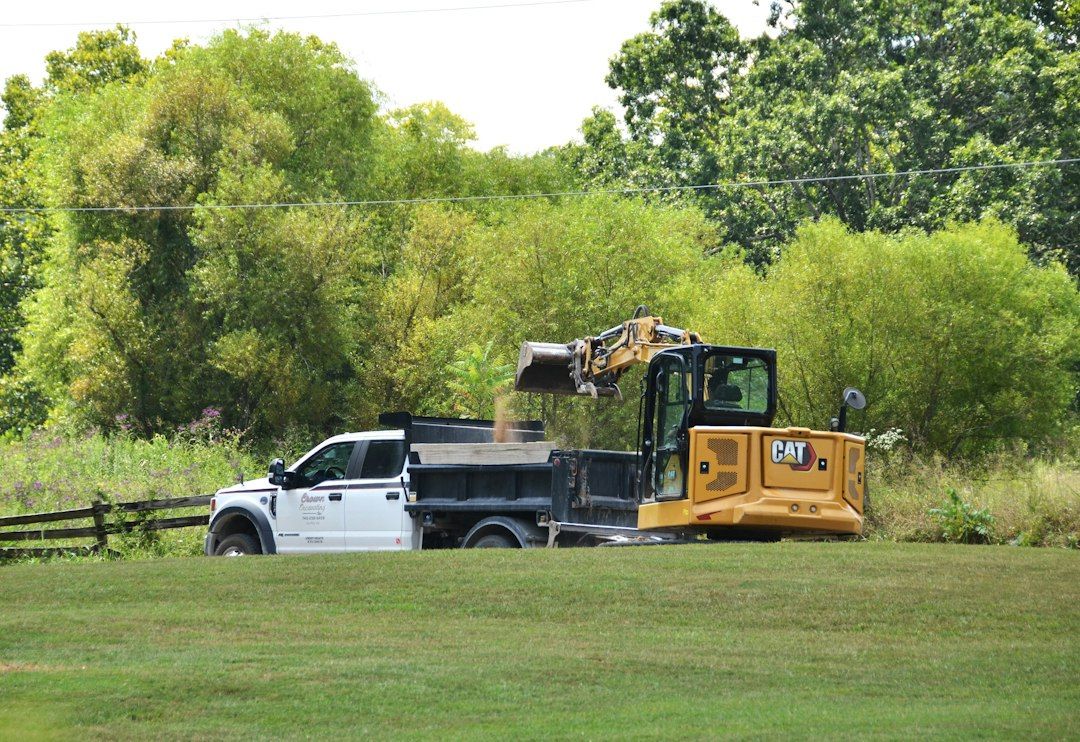
Protecting Your Livelihood in the Green Industry
When you run a landscaping or lawn care business, your days are spent transforming outdoor spaces, boosting property values, and keeping neighborhoods looking their absolute best. But behind the beautiful lawns and perfectly manicured hedges is a demanding, fast-paced operation. You and your crew are constantly moving heavy machinery, towing large trailers loaded with expensive gear, and working in unpredictable outdoor environments where one small misstep can lead to significant financial loss. Whether a commercial mower kicks a stray rock through a client's bay window or a work truck is involved in a collision on a busy highway, the daily risks are very real.
At Larry Peyton Insurance Agency, we have spent over 50 years helping individuals and business owners navigate these exact challenges. With over 100 years of combined expertise among our friendly staff, we understand that finding the right insurance for a small landscaping business is about much more than just checking a box to satisfy a commercial contract. It is about true protection for the assets you have worked so hard to build. In this guide, we will break down everything you need to know to properly cover your mowers, trailers, vehicles, and daily liability exposures so you can focus on growing your company with peace of mind.
Overview: The Evolving Landscape of Lawn Care Risks
The landscaping and lawn care sector has seen massive growth over the past few years, evolving from simple grass cutting into a highly specialized field. Recent industry data shows that the U.S. landscaping market reached an estimated $188.8 billion in 2025, driven by a surge in consumer demand for elaborate outdoor living spaces, sustainable landscape designs, and routine property maintenance. According to market statistics from Aspire, there are now over 726,000 landscaping businesses operating nationwide, and the vast majority of these are independent, local operations.
However, as the industry expands, so do the associated risks and the costs of doing business. Today, lawn care professionals are investing heavily in advanced equipment. The transition from basic push mowers to high-end zero-turn mowers, skid steers, mini excavators, and specialized hardscaping tools means that business owners are hauling tens of thousands of dollars in assets to every single job site. At the same time, operating this heavy machinery mere feet from valuable homes, parked vehicles, and pedestrians dramatically increases your liability exposure.
Many new operators assume that a basic, minimum-limit liability policy is all they will ever need. While liability is undoubtedly crucial, it does not cover a stolen enclosed trailer, a commercial mower damaged in transit, or an employee who suffers a severe injury on the job. A piecemeal approach simply leaves too many gaps. Structuring your small business insurance coverage correctly is essential to safeguarding your livelihood and ensuring your company can survive the unexpected hurdles that inevitably arise in this line of work.
Key Aspects: Building the Right Coverage for Your Business
Protecting a landscaping company requires a combination of policies tailored specifically to your daily operations. Because no two businesses are exactly alike, you need a customized mix of protections. Here are the core components you should carefully consider.
Small Business Liability Insurance
Often referred to as general liability insurance, this is the foundational policy for any landscaping or lawn care business. It protects your company if your operations cause bodily injury or property damage to a third party. Property damage claims are incredibly common in this industry. For example, if your crew is trimming hedges and accidentally cuts an expensive hidden sprinkler line, or if a mower blade catches a stone and shatters a client's glass door, small business liability insurance helps cover the repair and replacement costs.
Bodily injury coverage is just as vital. If a homeowner trips over a rake your employee left on the sidewalk, or if a passerby is struck by flying debris from a leaf blower, the medical bills and potential legal fees can be devastating to a small company. You can learn more about what general liability insurance covers for small businesses in our detailed local guide.
Small Business Vehicle Insurance
Your work trucks and the equipment trailers they pull are the lifeblood of your operation. If a truck breaks down or is totaled in an accident, your crew simply cannot get to the job site, bringing your revenue to a grinding halt. A common mistake we see among newer landscaping owners is relying on their personal auto insurance to cover their work vehicles. Personal auto policies almost universally exclude vehicles used for commercial purposes, especially when they are hauling heavy commercial trailers or transporting employees.
Therefore, you absolutely need proper small business car insurance to protect your fleet. Commercial auto coverage handles the liability if you or an employee causes an accident on the road, as well as the physical damage to your own trucks. Towing a heavy trailer full of mowers changes the driving dynamics of a vehicle, increasing stopping distances and the risk of rear-end collisions. Having robust small business vehicle insurance ensures that a single traffic accident does not bankrupt your company. If your operation has grown to include multiple trucks and crews, you should also explore managing risk with commercial fleet insurance in Nevada to ensure comprehensive protection across the board.
Small Business Property Insurance and Inland Marine
Landscaping equipment is incredibly expensive and, unfortunately, highly targeted by thieves. Leaving a trailer parked at a job site or in a residential driveway overnight poses a significant security risk. Small business property insurance is necessary to protect your physical assets, but you need a specific type of property coverage to protect gear that moves around.
Standard commercial property insurance generally only covers items stored at your primary business location. Because your mowers, trimmers, blowers, and hand tools are constantly in transit, you need a specialized add-on known as inland marine insurance (often called a tools and equipment floater). This policy travels with your gear, providing coverage whether the tools are locked in your shop, sitting on a trailer at a client site, or in transit on the highway. Whether you are dealing with stolen leaf blowers or a riding mower damaged during a rollover off a trailer ramp, protecting business equipment and tools with property insurance ensures you can replace essential gear quickly without draining your hard-earned cash reserves.
Workers Compensation
Landscaping is highly physical and physically demanding work. Employees face daily risks from sharp tools, heavy lifting, loud noises, chemical exposures, and harsh weather conditions. According to recent data from the Bureau of Labor Statistics, landscaping workers experience a noticeably higher rate of injuries requiring time off compared to the average private industry standard.
Workers compensation insurance covers medical expenses and provides a portion of lost wages if an employee is injured or becomes ill due to their job duties. From severe cuts caused by hedge trimmers to heat exhaustion during the peak of summer, having this coverage is not only a legal requirement in most states if you have employees, but it is also a moral obligation to the people who help build your business. For a deeper understanding of how these requirements work locally, check out our guide on workers compensation basics for Nevada small businesses.
Optional Added-Value: Specialized Risks in Landscaping
Beyond the standard coverages, the lawn care industry presents a few unique challenges that require specialized attention. Depending on the specific services you offer, you may need to expand your policy to include the following protections.
Herbicide and Pesticide Application
If your business provides weed control, fertilization, or pest control services, you are handling potentially hazardous chemicals on a daily basis. Standard general liability policies often contain exclusions for pollution or chemical spills. If an employee accidentally oversprays an herbicide and destroys a neighbor's expensive garden, or if chemicals leak from your truck into a local waterway, the cleanup costs and liability claims can be immense. Adding herbicide and pesticide coverage, or a specific pollution liability endorsement, is critical for any company offering turf management services.
Seasonal Shifts and Snow Removal
Many landscaping businesses pivot to snow and ice removal during the winter months to maintain steady cash flow. While this is a smart business move, plowing snow introduces an entirely new set of extreme risks. The likelihood of vehicle accidents skyrockets on icy roads, and the risk of a third party slipping and falling on a property you were hired to clear is very high. It is incredibly important to notify your insurance agent if you plan to offer snow removal, as you will need your liability and auto policies updated to reflect this change in operations. Operating a plow without informing your carrier could result in denied claims.
Meeting Contract Requirements
As your business grows, you will likely start bidding on commercial contracts for homeowners associations, office parks, and municipal properties. These larger clients almost always require proof of insurance, and they often stipulate specific, high coverage limits. Many commercial contracts require you to carry at least $1 million to $2 million in general liability coverage, and they may ask to be listed as an "additional insured" on your policy. Having a robust insurance profile already in place makes it much easier to win these lucrative bids and expand your company's footprint.
Insights: Managing Risks and Keeping Premiums in Check
As an agency with over a century of combined expertise, we know that commercial insurance premiums have seen upward pressure across the country, particularly in the commercial auto sector. However, you are not powerless when it comes to managing these operational costs. The key is demonstrating to insurance carriers that you run a highly safe, well-managed, and proactive operation.
One of the most effective ways to lower your commercial vehicle insurance costs is by investing heavily in fleet safety. Modern technology offers incredible tools for small business owners. Installing telematics devices or dashcams in your work trucks allows you to monitor employee driving habits, such as hard braking, rapid acceleration, or speeding. Insurance companies love to see this proactive approach because it drastically reduces the likelihood of severe, costly accidents. In fact, many carriers offer substantial fleet discounts for using telematics.
Your hiring practices also play a massive role in your insurance costs. Before handing the keys to a new crew leader, it is vital to pull their Motor Vehicle Record (MVR). Allowing an employee with a history of speeding tickets or severe driving infractions to operate your heavy trucks will immediately cause your auto premiums to spike, and it could even lead to your policy being non-renewed. Establishing a strict set of driving standards for your company protects your assets and keeps your insurance rates stable.
Another vital piece of advice we share with our commercial clients is knowing when to file a claim versus when to pay out of pocket. We always advise business owners to view their insurance policies as catastrophic protection rather than a routine maintenance plan. For instance, if an employee accidentally breaks a $300 window with a stray pebble, it is almost always better to pay for that repair out of pocket. Filing small, frequent claims will inevitably lead to higher premiums at your next renewal, which will cost you far more over time. Conversely, if a major accident occurs involving a work truck and a civilian vehicle, you should immediately rely on your insurance coverage. Setting an appropriate deductible, one that you can comfortably afford to pay out of pocket in a minor incident, is a great strategy to lower your upfront premium costs.
Preventing Common Claims Before They Happen
Understanding where claims most frequently originate can help you train your team to avoid them completely. The most frequent claims in landscaping involve third-party property damage and equipment theft.
To minimize property damage, you should implement a strict pre-work inspection protocol. Before unloading the mowers or starting the trimmers, crews must walk the property to identify and flag potential hazards. This includes locating raised sprinkler heads, identifying decorative stones that could become projectiles, and moving children's toys or garden hoses hidden in the tall grass. This simple five-minute step can prevent thousands of dollars in damages over the course of a busy season.
Equipment theft is another major hurdle you can actively manage. Thieves know that enclosed landscaping trailers often contain highly valuable, easily pawned items. To combat this, ensure all equipment is locked up securely the moment it is not in use. Use heavy-duty hitch locks and wheel boots on your trailers, park your fleet in well-lit, fenced areas at night, and consider hiding small GPS tracking devices on high-value items like riding mowers and expensive blowers. Preventing a loss in the first place saves you time, keeps your crew working, and helps maintain a pristine insurance record.
Conclusion
Securing the right insurance for your landscaping or lawn care business is one of the smartest, most essential investments you can make in your company's future. From protecting your heavy machinery and expensive trailers to covering your crew on the road and safeguarding against massive liability lawsuits, a comprehensive insurance plan provides the critical safety net required to operate and grow with absolute confidence. By understanding the unique, daily risks of the green industry and partnering with an experienced, local insurance agency, you can find the perfect balance of great coverage at a price that fits your budget. You work incredibly hard to maintain and beautify your clients' properties, so make sure you are putting that exact same level of care into protecting your own business.
Larry Peyton Insurance Agency
At Larry Peyton Insurance Agency, our knowledgeable and friendly staff rise high above the competition in servicing our clients. We have helped people find reliable insurance for over 50 years, and while we cannot always control the insurance companies' rates, we can control how our clients are treated with respect, ensuring they are highly satisfied. We are large enough to handle the workload but still small enough to care deeply about the unique needs of your business. If you are ready to secure your livelihood, get a quote today and personalized assistance. Discover how we can help you achieve your goals by building a commercial policy that truly fits your operation. Visit Larry Peyton Insurance Agency to start protecting your landscaping business the right way.
By Larry Peyton Farmers Insurance & Team
Your local, trusted, insurance professional.
Fast, friendly quotes from top-rated carriers.