
What Is Small Business Insurance in Nevada and Why Do You Need It?
Running a business in Nevada is exciting, but it also comes with real financial risks. One bad accident, lawsuit, or fire can undo years of hard work if you are not protected. That is where small business insurance comes in, helping shield your company when something goes wrong.
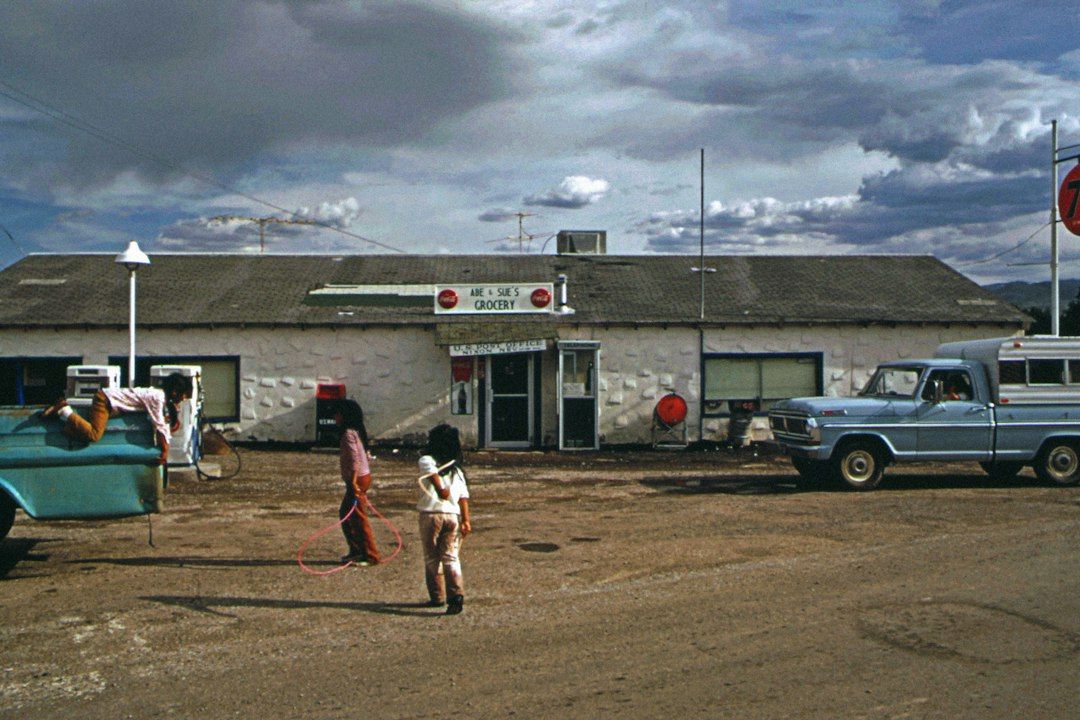
Introduction to Small Business Insurance in Nevada
Running a business in Nevada is exciting, but it also comes with real financial risks. One bad accident, lawsuit, or fire can undo years of hard work if you are not protected. That is where small business insurance comes in.
Small business insurance is a set of policies designed to protect your company’s finances when something goes wrong, whether it is a customer injury, property damage, employee injury, or a claim that you made a professional mistake. In Nevada, some coverages are legally required and others are simply smart protection. In my experience working with local owners, the businesses that survive surprises are almost always the ones that treated insurance as protection, not just an expense.
If you are building a company in Nevada, you cannot afford to ignore coverage.
What Is Small Business Insurance in Nevada?
When people ask about "small business insurance," they often imagine a single policy that covers everything. In reality, small business insurance is a customized package of coverages tailored to your size, industry, and risks.
The U.S. Small Business Administration (SBA) defines a small business mainly by employee count and revenue, but from an insurance standpoint, we are usually talking about:
- Solo entrepreneurs and freelancers
- Family owned shops and restaurants
- Contractors and trades
- Professional offices
- Local retailers and service businesses For all of these, small biz insurance is about one thing: protecting your balance sheet when something unexpected happens.
The building blocks of small business insurance
A typical Nevada smallbusinessinsurance package might include:
- General liability insurance
- Commercial property insurance
- Business interruption (also called business income) coverage
- Workers compensation
- Commercial auto insurance
- Professional liability or errors and omissions (E&O)
- Cyber liability and data breach coverage Many smaller companies start with a Business Owners Policy (BOP). A BOP usually bundles general liability, commercial property, and business income into one package, often at a better price than buying them separately. From there, we can add other protections based on your specific risks.
If you want a deeper breakdown of how these pieces fit together for Nevada companies, our guide on Small Business Insurance in Nevada: Complete Coverage Guide is a good next step.
What Nevada law requires
Every state has its own rules, and Nevada is no exception. Broadly:
- If you have employees, Nevada generally requires workers compensation insurance (with a few limited exceptions).
- If you use vehicles for business, state law requires minimum auto liability limits on those vehicles, often through a commercial auto policy.
- Certain professions and licensed businesses may have specific insurance requirements set by regulators, lenders, or industry groups. The Nevada Division of Insurance and the Nevada Department of Business and Industry provide guidance on these requirements. But legal minimums are usually just that: minimums. Most owners need broader business insurance for small business protection than the law alone demands.
In practice, we design coverage around your contracts, leases, and real-world risks, not just regulations.
Core Protections: Types of Business Insurance for Small Business Owners
Let’s break down the key parts of insurance for small businesses and how they actually protect you when something goes wrong.
General liability insurance: Your first line of defense
General liability is the foundation of most small business insurance plans. It typically covers:
- Bodily injury to others (for example, a customer slipping on a wet floor)
- Damage to someone else’s property
- Certain types of personal and advertising injury, like libel or slander claims Industry data from organizations like the Insurance Information Institute shows that liability claims can easily run into tens of thousands of dollars once you add medical bills, attorney fees, and settlements. For a small business, that kind of hit can be devastating.
We go into more detail on coverage options and limits in our article on General Liability Insurance for Small Business Owners in Nevada.
Commercial property and business interruption
If you own or rent space, equipment, or inventory, commercial property coverage is crucial. It can help repair or replace property damaged by covered events such as:
- Fire
- Theft or vandalism
- Certain types of wind or water damage, depending on the policy Property insurance alone covers the building and contents, but it does not address lost income if you have to close to make repairs. That is where business interruption (business income) coverage comes in. It can help replace lost revenue and cover ongoing expenses while you rebuild.
This combination is a core part of many Business Owners Policies and is central to Commercial General Insurance: Complete Business Protection Guide.
Workers compensation and employer coverage
If you have employees in Nevada, workers compensation is usually required. It typically helps:
- Pay medical bills and lost wages for employees hurt on the job
- Protect your business from most employee injury lawsuits From a practical standpoint, I often tell owners that workers compensation is not just about compliance. It is about making sure one serious injury does not become a financial crisis for both the employee and your company.
You can learn more about common on-the-job risks and related claims in Common Claims and Risks in Commercial General Insurance.
Commercial auto and specialized policies
If you or your employees use vehicles for work, you will likely need commercial auto insurance. Personal auto policies often exclude accidents that happen while using a vehicle for business purposes, such as:
- Making deliveries
- Driving clients or patients
- Hauling tools or equipment to a job site A commercial auto policy can include liability, collision, comprehensive, and other coverages tailored to your fleet, whether it is one pickup or several service vans. For more on this, see Commercial Auto Insurance: Protect Your Business Vehicles and Affordable Commercial Auto Insurance: How to Save for Your Business.
Depending on your industry, you might also need:
- Professional liability (E&O) for consultants, accountants, real estate professionals, and others who give advice
- Cyber liability if you store customer data or process payments
- Bonds, which are sometimes required for contractors or licensed trades This is where a one-size-fits-all mindset falls short. The right insurance and small business strategy is built around how you actually operate, not just your business type on paper.
Why Nevada Entrepreneurs Cannot Afford To Skip Small Biz Insurance
I talk with many owners who quietly hope they can get by with bare-minimum coverage or none at all. From what I have seen over the years, that is a gamble that often goes the wrong way.
One accident can erase years of work
Imagine you run a small cafe in Reno. A customer trips over a loose mat, fractures a wrist, and needs surgery. They hire an attorney. Suddenly, you are facing medical bills, legal fees, and a possible settlement.
Without liability coverage, every dollar comes directly from your pocket. For a lot of small businesses, that kind of hit drains cash reserves, forces owners to dip into personal savings, or even triggers bankruptcy.
General liability, commercial property, and business income coverage exist to keep one bad day from ending the story of your business.
Contracts, leases, and lenders expect coverage
Even if the state does not require a specific policy, the people you do business with often do. Common examples:
- Landlords requiring you to carry general liability and name them as an additional insured
- Clients insisting on proof of insurance for small businesses before signing a contract
- Banks and equipment lenders requiring property coverage on buildings or major assets I have seen deals fall through at the last minute simply because a business could not produce a certificate of insurance. Having proper business insurance for small business owners is not just about protection. It is often a ticket to bigger projects and better partnerships.
Local risks: Wildfire, weather, and theft
Nevada businesses face a unique mix of risks: wildfire smoke and related disruptions, high winds, occasional flash floods, and theft or vandalism, especially for locations with visible inventory or equipment.
While a homeowners policy may help protect your residence, it usually does not cover business activities or inventory stored at home. That is another reason we talk about tailored small business insurance, not just hoping a personal policy will stretch far enough.
For a broader view of how property and liability protections work together, the Commercial General Insurance: Complete Business Protection Guide is a helpful resource.
Insurance as a growth tool, not just a cost
Strong coverage can actually support growth:
- It gives you confidence to take on bigger jobs and more complex contracts.
- It can help you recruit employees who want to know they will be protected if something happens on the job.
- It reassures investors, landlords, and partners that you run a stable operation. From my experience, the most successful owners think of insurance and small business planning together. They do not buy a policy once and forget it. Instead, they review coverage regularly as they add vehicles, hire staff, or expand locations.
Yes, premiums are a real cost, and we should always work to manage them wisely. But a single uninsured or underinsured loss can cost far more than years of premiums.
Bringing It All Together
Small business insurance in Nevada is not a single policy. It is a flexible package designed to protect your cash flow, assets, employees, and reputation when things go wrong.
The core pieces usually include:
- General liability to handle injuries and property damage to others
- Commercial property and business income to protect your space, equipment, and revenue
- Workers compensation to cover employee injuries
- Commercial auto and specialized coverages tailored to what you do You need it because accidents, lawsuits, and disasters do not care how hard you have worked or how small your company is. Proper insurance for small businesses can mean the difference between a temporary setback and closing your doors for good.
If you are unsure where to start, reviewing our Small Business Insurance in Nevada: Complete Coverage Guide is a smart first step, then talking through your specific situation with a trusted advisor.
Larry Peyton Insurance Agency
At Larry Peyton Insurance Agency, we have spent decades helping Nevada owners protect what they are building. We know that every shop, contractor, startup, and professional practice has a unique risk profile, and we take the time to understand yours before recommending coverage.
Whether you are just opening your doors or you are ready to update an old policy, we can walk you through options for small biz insurance, explain the tradeoffs in plain language, and look for ways to keep your costs reasonable without leaving dangerous gaps.
Get a quote today and personalized assistance. Discover how we can help you achieve your goals by tailoring business insurance for small business owners that fits your budget and your real-world risks. When you are ready to talk, reach out through our Contact page and let us help you put the right protection in place before you need it.
By Larry Peyton Farmers Insurance & Team
Your local, trusted, insurance professional.
Fast, friendly quotes from top-rated carriers.