
Types of Insurance Every Nevada Small Business Should Consider
If something went wrong at your shop tomorrow, would you know which policy is supposed to pay the bill? After many years helping Nevada owners sort through claims, I can tell you that confusion about coverage is far more common than it should be. The good news: once you understand the main types of insurance for small business owners, it becomes much easier to protect your building, your team, and your income without overspending.
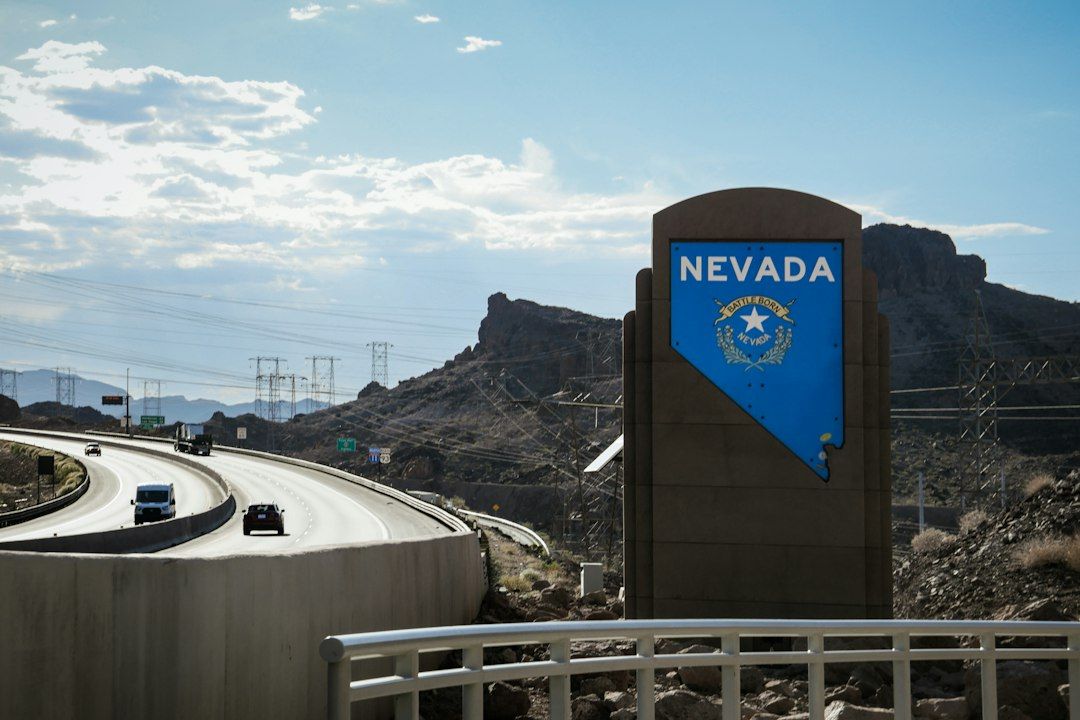
Protecting Your Nevada Small Business With The Right Insurance Mix
If something went wrong at your shop tomorrow, would you know which policy is supposed to pay the bill? After many years helping Nevada owners sort through claims, I can tell you that confusion about coverage is far more common than it should be.
The good news: once you understand the main types of insurance for small business owners, it becomes much easier to protect your building, your team, and your income without overspending. In this guide, I will walk through the core policies most Nevada businesses should consider, when each is needed, and how they work together as a safety net around what you have built.
Understanding General Small Business Insurance In Nevada
When people ask us about “the insurance needed for small business,” they are usually thinking of one big policy that does everything. In reality, what many folks call general small business insurance is a bundle of several coverages that protect three main areas:
-
People: customers, employees, and the public
-
Property: your building, equipment, inventory, and tools
-
Income: your ability to keep money coming in after a loss Industry groups like the Insurance Information Institute and the U.S. Small Business Administration consistently highlight the same foundation we see in practice:
-
General liability insurance
-
Commercial property insurance
-
Commercial auto insurance
-
Workers compensation insurance For many smaller operations, some of these are packaged together in a Business Owners Policy, often shortened to BOP. A BOP is a form of business general insurance that typically combines general liability and property coverage, and sometimes business income coverage, into one policy at a more efficient price than buying everything separately.
From there, you may add specialty coverages, such as:
-
Professional liability (errors and omissions) for service or advice based businesses
-
Cyber liability and data breach coverage, especially if you store customer data or take payments online
-
Employment practices liability (for claims such as wrongful termination or harassment)
-
Commercial umbrella liability to increase limits above your base policies Nevada law and common contract requirements also play a big role:
-
Almost all employers with at least one employee are required to carry workers compensation insurance.
-
Any vehicle used regularly for business usually needs commercial auto coverage, and must meet state minimum liability limits at a minimum.
-
Landlords, vendors, and government contracts often require proof of general liability and sometimes additional insured status. So when we talk about general insurance for small business owners, we are really talking about selecting and combining several key policies based on your risk profile, legal obligations, and budget. The goal is not to buy everything, but to buy the right things in the right amounts.
For a broader overview of how these pieces fit together in our state, you can also review our complete guide to small business insurance in Nevada.
Key Types Of Coverage And When Each Is Needed
1. General Liability Insurance: The Starting Point
General liability is the foundation of small business general insurance. It is designed to protect you if your business is blamed for:
- Bodily injury to someone who is not your employee
- Damage to someone else’s property
- Certain personal and advertising injuries, such as libel or slander allegations If customers come to your location, if you go to their property, or if you advertise your services, you almost certainly need this coverage.
Examples from everyday Nevada businesses:
- A customer slips on a wet floor in your Reno shop and suffers a back injury.
- A ladder from your contracting crew falls and breaks a customer’s window.
- A competitor claims your online ad damaged their reputation and sues. Without general liability, defense costs and settlements in these situations can be devastating. With it, the insurance company typically pays covered legal fees and claims, up to your policy limits.
Many landlords and clients require proof of this protection. To learn more about how it works locally, see our guide to general liability insurance for small business owners in Nevada.
People often use terms like business general insurance, general insurance for small business, or small business general insurance to describe this type of policy, even when it is part of a larger package.
2. Commercial Property Insurance: Building, Contents, And Income
Commercial property insurance protects the physical side of your business:
-
Buildings you own
-
Tenant improvements or betterments to leased space
-
Furniture, equipment, and inventory
-
Some types of outdoor property and signage For many Nevada businesses, this coverage also includes or can add:
-
Business income coverage to replace lost revenue and help pay ongoing expenses if you must shut down temporarily after a covered loss
-
Extra expense coverage to help you relocate or operate from a temporary location Real world scenarios:
-
A fire damages your strip mall unit along with equipment and inventory.
-
Thieves break into your office and steal computers and tools.
-
A burst pipe overnight destroys flooring and fixtures, forcing you to close for repairs. In parts of Nevada that face wildfire smoke, severe wind, or rapid temperature swings, property coverage is especially important. It is crucial to discuss with your agent what perils are covered, whether you are insured for replacement cost or actual cash value, and whether your limits are high enough to rebuild or refurnish today, not at yesterday’s prices.
3. Commercial Auto Insurance: Any Vehicle Used For Work
If you use a vehicle for business, do not assume your personal auto policy will cover it. Insurers often exclude many commercial uses, especially if you:
-
Deliver goods or materials
-
Regularly drive to job sites with tools and equipment
-
Transport clients or passengers for a fee
-
Have employees who drive their own cars on your behalf Commercial auto insurance can cover:
-
Liability if your business is at fault in an accident
-
Physical damage to owned vehicles from collision or comprehensive losses
-
Coverage for hired and non owned vehicles, such as employee cars used for business errands or rented vans Examples include a contractor van loaded with tools, a florist’s delivery vehicle, or a sales rep’s company car.
Nevada requires minimum liability limits for vehicles on the road, and certain industries may need higher limits or specialized filings. Our overview of commercial auto insurance for business vehicles explains how these requirements apply to local businesses and how to structure coverage correctly.
4. Workers Compensation Insurance: Taking Care Of Your Team
Workers compensation (often shortened to workers comp) protects both your employees and your business if someone is injured or becomes ill due to their job.
In general, it provides:
- Medical care for job related injuries or illnesses
- A portion of lost wages while the employee cannot work
- Benefits for permanent disability or death in severe cases
- Employer liability protection for certain types of lawsuits Nevada requires most employers with at least one employee to carry workers comp coverage. Some business owners and independent contractors can choose to cover themselves as well, even when it is not mandatory, which can be a wise move in higher risk trades.
Failing to carry required coverage can lead to fines, personal liability, and even being ordered to stop work. If you are unsure whether the people who help you are considered employees under Nevada rules, or you want to understand how premiums are calculated, start with our workers compensation insurance guide for Nevada small business owners.
Practical Insights: How To Choose The Right Mix For Your Nevada Business
Knowing the names of the policies is one thing. Deciding what you actually need for your shop, practice, or trade is another. Here is how we typically walk Nevada owners through that decision.
1. Start With Your Risk Map
Look at how you operate day to day:
- Do customers or vendors come on site? General liability is a must.
- Do you own or lease space, tools, or inventory you cannot afford to replace? You need property coverage.
- Do you or your employees drive for work? You likely need commercial auto.
- Do you have employees on payroll? Workers comp is usually required.
- Do you give advice, design solutions, or handle client data? Consider professional liability and cyber coverage. This simple risk map helps you move from guessing to choosing coverage intentionally.
2. Consider A Business Owners Policy (BOP)
For many retail shops, restaurants, offices, and small trades, a BOP provides a cost effective form of general small business insurance, bundling:
- General liability
- Commercial property
- Business income coverage (in many cases) Because insurers are covering multiple needs in one package, pricing is often more favorable than buying each policy separately. A BOP can be a strong foundation, with specialty coverages added on top as needed.
3. Add Specialty Coverages Where Your Risk Is Unique
Depending on your industry, you may want to layer in:
- Professional liability (errors and omissions) for consultants, accountants, engineers, IT firms, and others whose advice or design work could cause a financial loss.
- Cyber liability and data breach coverage if you store customer data, process credit cards, or rely heavily on your network or website.
- Employment practices liability (EPLI) to help cover claims such as discrimination, harassment, or wrongful termination.
- Surety bonds, which are often required for contractors and certain licensed professions, especially on public projects. Our overview of surety bonds and contractor bonding for Nevada small businesses explains how these work. Health insurance and employee benefits also play a role in protecting your people and improving retention, even though they are structured differently than property and casualty policies. If you are exploring benefits for your team, you may find our guide to health insurance and employee benefits for Nevada small businesses helpful.
4. Factor In Contracts, Leases, And Licenses
Before signing a lease or service contract, check the insurance requirements. You may be asked to:
- Carry certain minimum liability limits
- Add another party as an additional insured
- Provide specific types of coverage, such as hired and non owned auto or professional liability Bringing these documents to your agent up front can prevent ugly surprises later, such as finding out your coverage does not meet a contract requirement after a loss.
5. Work With A Local, Independent Agent
Online checklists can only go so far. Nevada has its own mix of laws, weather risks, and industry trends, and carriers all write coverage a little differently.
An experienced local agent can:
- Translate policy language into plain English
- Compare multiple carriers instead of forcing a one company fit
- Help you balance coverage and budget over time, not just at purchase
- Walk with you through a claim, when details really matter We also recommend revisiting your coverage annually or whenever you grow, add locations, change vehicles, or expand services. Our Nevada small business insurance guide goes deeper into how those changes affect your protection.
Bringing It All Together
Every Nevada small business is unique, but the building blocks of protection are surprisingly consistent. In most cases, a solid plan includes:
- General liability to handle injuries and damage to others
- Commercial property to protect your space, equipment, and inventory
- Commercial auto for any vehicle used in the business
- Workers compensation for your employees
- Targeted add ons such as professional liability, cyber, or umbrella coverage based on your specific risks Instead of asking “What is the cheapest policy I can buy,” it is more useful to ask “If something serious happened tomorrow, which risks could seriously hurt my business, and how can I transfer those risks to the right policies?”
Taking the time to answer that question now is far easier than trying to correct it in the middle of a claim.
Larry Peyton Insurance Agency
Choosing the right types of insurance for small business protection does not have to be overwhelming. At Larry Peyton Insurance Agency, we sit down with Nevada owners every day to sort through what you have, what you are building toward, and what really needs to be insured.
Whether you are starting your first shop or fine tuning coverage for a growing company, we will walk you through options in clear language, compare multiple carriers, and highlight where you can strengthen protection without stretching your budget. Reach out to our team for a no pressure review and a customized quote. Get personal guidance and see how we can help you protect what matters most in your business and support your long term goals.
By Larry Peyton Farmers Insurance & Team
Your local, trusted, insurance professional.
Fast, friendly quotes from top-rated carriers.