
Seasonal Home Insurance in Carson Valley: What to Review Before You Leave
A Carson Valley second home needs more than an ordinary homeowners checklist. Review occupancy, wildfire exposure, winter water losses, outbuildings, rentals, and liability before leaving.
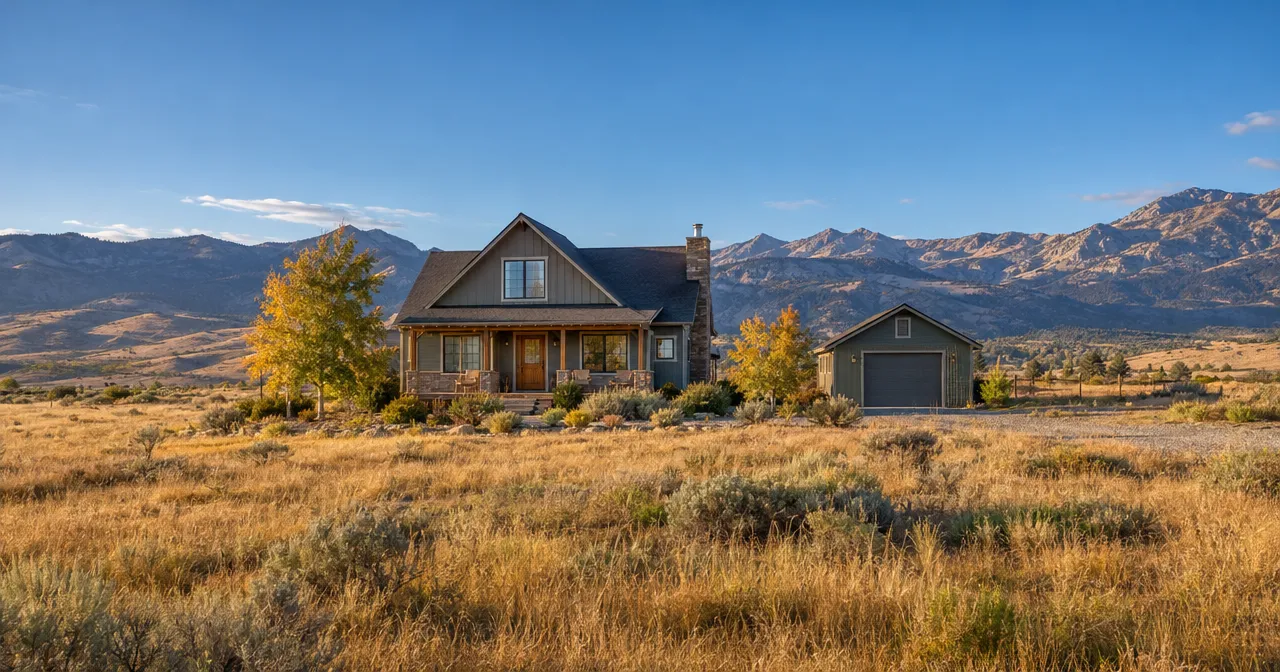
A house that sits quiet for part of the year has a different insurance profile from the one you live in every day. Perhaps your family uses a place outside Gardnerville on weekends, spends summers in Carson Valley, or keeps a rural home near the Sierra foothills while living elsewhere. The building may be well cared for, yet a leaking supply line can run longer before anyone notices, a windstorm can damage a detached shop, and an insurer may ask different questions about how the property is occupied.
The useful starting point is not “Do I have homeowners insurance?” It is “Does my policy describe this property and how we actually use it?” The following questions can help owners of seasonal and second homes in Douglas County and Northern Nevada prepare for a clear conversation about coverage. Every answer depends on the policy form, insurer, location, and underwriting information; none of the examples below promises that a particular loss will be covered.
1. How does the policy describe the home's occupancy?
Tell your insurance professional which home is your primary residence, how often you visit the second property, whether anyone stays there between visits, and whether you intend to leave it unused for weeks or months. Do not treat “seasonal,” “unoccupied,” and “vacant” as interchangeable labels. An insurer may distinguish a furnished second home used periodically from a property emptied during a renovation or held for sale. Definitions and restrictions vary by contract; ask how yours handles extended absence, theft, vandalism, water damage, and any inspection or maintenance conditions. The NAIC's guidance on secondary homes explains why coverage terms may differ when a home is not your primary residence.
For example, imagine a Gardnerville family that closes its mountain house after Thanksgiving and returns in April. The house remains furnished and heated, but no one sleeps there for months. That is a materially different risk from a house visited every other weekend. Tell the insurer which pattern is accurate before a claim, and update the description if your plans change.
Ask for a written explanation of any conditions while the home is empty: Does the policy require heat to be maintained, the water supply to be shut off, or someone to check the house? What changes if a relative stays for several weeks? If the property is inherited or undergoing a major remodel, report that too rather than assuming the original owner-occupied policy still fits.
2. Would the dwelling limit actually pay to rebuild the house?
A coverage limit based only on the purchase price is a weak proxy for rebuilding. Land value and real-estate demand affect market price, while the cost of reconstructing a house depends on its materials, size, labor, access, and code requirements. A long private driveway, custom windows, an older floor plan, or limited construction access can make a rural replacement estimate especially worth reviewing. Nevada's Division of Insurance homeowners overview describes the main protections and notes that rebuilding cost affects homeowners insurance.
Walk through the estimate with current facts: square footage; roof and siding materials; a finished basement or addition; kitchen and bathroom updates; heating equipment; and attached decks or garages. Then ask whether the policy has any extended-replacement-cost feature, whether its conditions apply to your home, and how it handles extra rebuilding expense when codes have changed. Do not assume an automatic annual increase has kept pace with every renovation.
Also review personal property separately. Furnishings, tools, sports equipment, and a home office can add up. Find out whether belongings are settled at replacement cost or actual cash value, and whether special limits apply to jewelry, collectibles, or other valuables. A photo inventory and receipts stored somewhere other than the seasonal home make the conversation more concrete.
3. What happens if wildfire affects the property?
Wildfire exposure matters across the Carson Valley and nearby foothills, but it is not the same at every address. Vegetation, roof and vent details, distance to neighboring structures, and access all affect a property's risk. Ask whether your actual policy includes wildfire as a covered cause of loss, what deductible applies, and whether any wildfire-related limitation or separate coverage is listed. Do not assume either that wildfire is excluded everywhere or that every policy treats it identically.
Risk reduction is a separate task from buying coverage. The University of Nevada, Reno Extension's Living With Fire defensible-space guide focuses on the first five feet around a home: keep this area free of combustible material and address places where embers can collect. Owners can also ask local fire officials or qualified contractors about defensible space farther out, tree and shrub maintenance, roofs, vents, decks, and safe access. Work on your own property should follow applicable local rules; a change in landscaping does not guarantee a particular premium or eligibility outcome.
A seasonal home needs a plan for when nobody is there. Keep a contact who can check for storm or ember damage, and document property improvements so you can accurately answer an insurer's questions. If a wildfire causes a covered loss, ask in advance how the dwelling, detached structures, and additional living expenses or loss-of-use provisions would work for a second home rather than your primary residence.
4. Could a winter water loss go unnoticed?
A pipe that bursts on a Tuesday may be found the same evening at your primary residence. At a second home, it could run for days. Winterization is therefore both a maintenance issue and a coverage question. The NAIC's guidance on burst pipes advises checking your policy for frozen-pipe conditions and taking precautions such as maintaining heat and protecting exposed plumbing.
Before a long absence, ask a licensed plumber whether draining and shutting off the water is appropriate for the building, including irrigation, boilers, fire-suppression equipment, and any well system. If water must stay on, discuss a temperature setting, pipe insulation, leak detection, and a trusted person's check-in schedule. Keep records of maintenance and inspections. Do not infer from a general article that turning off the main is required by every insurer or safe for every house.
Separate sudden, accidental water damage from flood and long-term seepage. A policy may cover one while excluding another; exclusions and conditions can be especially important if a home is left without heat or regular checks. Ask exactly what your policy says about frozen pipes, repeated leakage, mold, and the cost of repairing the failed pipe itself.
5. Are the detached structures and what is inside them listed correctly?
A detached garage, workshop, guest cabin, greenhouse, or equipment shed is not just part of the main house's floor area. Many homeowners policies provide an “other structures” limit, but its amount, exclusions, and valuation method should be checked. A well-equipped shop or separate guest building may need a higher limit or a different policy treatment. List the structures, take photographs, and estimate what each would cost to rebuild rather than relying on the original purchase paperwork.
What happens inside the structure matters too. A classic car usually belongs on appropriate auto or collector coverage, not under the dwelling or other-structures limit. A boat, RV, travel trailer, or utility vehicle may need its own policy, with attention to storage, transport, physical damage, and liability. If a workshop is used for paid work or customers visit the property, disclose the business activity; personal property and liability coverage may not address business equipment or commercial operations. The same principle applies to a small business owner who stores inventory at a second home. Coordinate any business policy with the property's policy rather than assuming one automatically fills the other's exclusions.
6. Do you need separate flood coverage?
Water from a broken indoor pipe and water that rises across the ground are not the same insurance event. Standard homeowners insurance generally does not cover flooding; the Nevada Division of Insurance's flood guidance explains why owners should consider separate flood coverage even outside a mapped high-risk area. Check your property's location and drainage, including any creek, irrigation channel, low driveway, or runoff path, then ask about National Flood Insurance Program and private-policy options available for that address.
If you decide to buy a flood policy, ask about building versus contents coverage, limits, deductibles, and when it takes effect. Do not wait for a storm forecast to ask: waiting periods can apply, and terms can differ between NFIP and private flood insurance. Verify the effective date of the actual offer.
7. Will guests or rentals change the insurance arrangement?
Letting a friend use the house for a weekend, hosting a relative for a month, and advertising it as a short-term rental are different situations. Do not assume an ordinary second-home policy will handle guest liability or property damage from paying occupants. If you rent the home even occasionally, discuss the expected number of rental days, whether bookings are direct or through a platform, who manages the property, and whether a landlord or short-term-rental policy or endorsement is needed. The NAIC advises that standard homeowners coverage may not cover short-term rental activity and that platform protection has limits; see its home-sharing insurance overview.
Ask practical questions: Are guest-caused damage and theft addressed? Are you insured for a covered interruption in rental income, if relevant? What liability coverage applies when a guest slips on icy steps or uses a hot tub? Do not rely on the word “umbrella” alone: a personal umbrella may require certain underlying home and auto liability limits and may not cover business-related rental exposures. If you own homes or vehicles in both Nevada and California, review the locations, drivers, and eligible underlying policies with your agent so the liability layers are coordinated.
Make one property-specific review before the next departure
A short, accurate property file can speed up a useful coverage review. Bring your declarations page and answers to these questions:
- Use: Which months is the home occupied? Who checks it when you are away? Is it ever rented, used for business, or undergoing renovation?
- Buildings: What has changed since the last rebuild estimate? Which detached structures, solar or other systems, and valuable contents need attention?
- Loss prevention: What is the plan for heat, water, winter storms, wildfire preparation, and responding to an alert when you are out of town?
- Other policies: Are boats, RVs, classic cars, trailers, and personal or commercial liability exposures handled on appropriate policies?
- Terms: What are the deductibles, exclusions, vacancy or occupancy provisions, replacement-cost conditions, and effective dates of any new coverage?
A weekend home near Gardnerville, an inherited Carson Valley property, and a cabin rented to visitors can all require different answers. Larry Peyton Insurance helps Northern Nevada and California clients compare their actual property and responsibilities with the terms on the page. If you would like a quote or a personalized seasonal-home coverage review, speak with our team; we can help explain options clearly and identify questions worth resolving before you leave.