
After a Wildfire Evacuation in Carson Valley: A Coverage and Claims Checklist
A practical Carson Valley checklist for documenting wildfire damage, asking about temporary housing, and sorting home, vehicle, specialty, and business insurance claims.
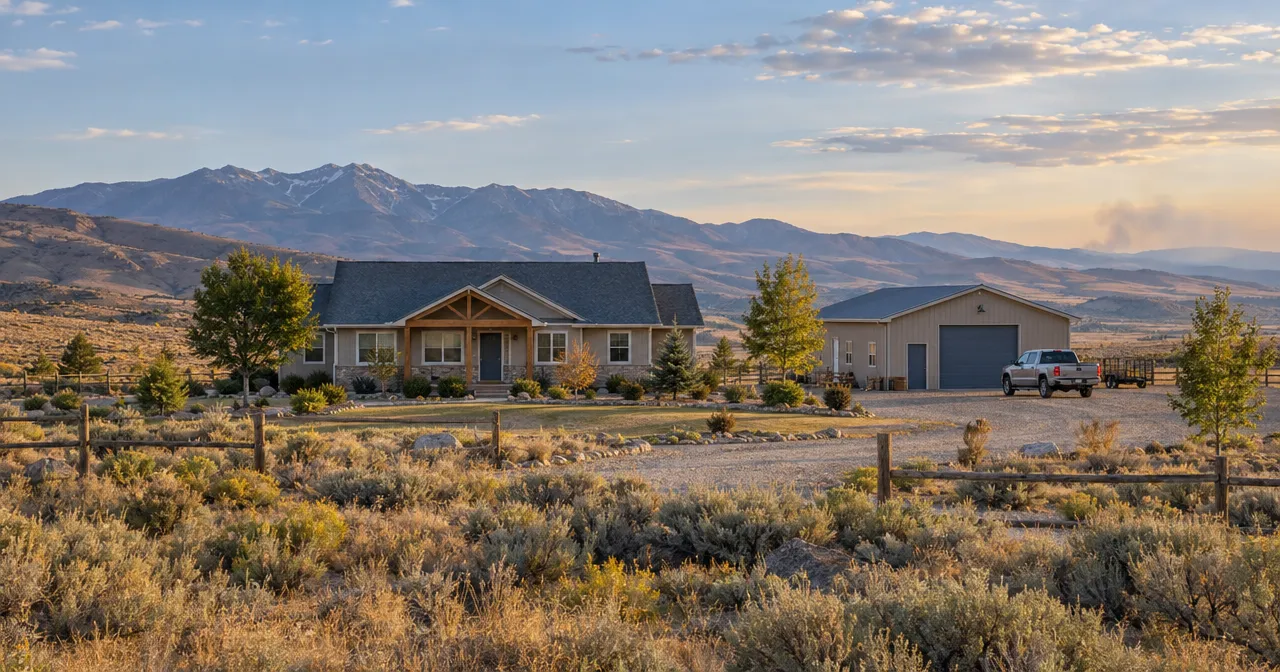
When a wildfire forces a Gardnerville or Carson Valley household to leave, insurance paperwork is not the first priority. Follow evacuation instructions, account for people and animals, and return only when officials say it is safe. Once the immediate danger has passed, though, a little organization can make a complicated recovery easier to discuss with the right insurers.
A rural property may include a house, a detached shop, a pickup, a classic car in storage, and equipment used for a small business. Those things may be insured under different policies, even if they were damaged in the same event. This checklist follows the decisions a Douglas County family or business owner might face after an evacuation. It is not a promise of coverage: the issued contract, cause of loss, deductibles, limits, and facts of the claim control the answer.
Start with safety, then open the right claims
Do not enter a damaged building just to photograph it. The CDC's guidance for returning after a wildfire says to wait until authorities allow return and to watch for hazards such as unstable structures, downed power lines, ash, and debris. Follow local emergency and utility instructions, and use qualified help when a building or electrical system may be unsafe. A photograph is not worth an injury.
As soon as practical, make a short list of policies and claim contacts: homeowners or renters, auto, specialty vehicle, commercial property, and any separate flood policy. Call the insurer or agent promptly; if several types of property were affected, ask whether to open separate claims. Give a factual timeline: your address, the date you left, whether an order or warning applied, when you could return, and what damage you can see. Save the official notices you received. Do not guess at a cause or total loss amount before anyone has inspected the property.
The Nevada Division of Insurance's wildfire recovery guidance recommends keeping policy information and an inventory accessible, notifying the insurer or agent, documenting damage, and saving receipts. If a claim is difficult to start, ask the carrier which information it needs now and what can follow later.
Record the home, outbuildings, and belongings separately
Take wide photos of each side of the house and closer photos of damaged rooms and building components when it is safe. Include the roof, deck, fencing, well or pump equipment if present, and the driveway or access road. A Carson Valley property might also have a detached garage, workshop, guest building, barn, or storage shed. List each structure on its own: location, use, approximate size, major features, and visible damage. Your homeowners policy may treat an outbuilding under an “other structures” limit rather than the dwelling limit, and a building used for business may raise separate coverage questions.
For contents, start with broad categories—furniture, appliances, clothing, tools, sporting gear—then fill in brands, approximate age, purchase records, and replacement information as you find it. Pre-loss phone photos, receipts, contractor invoices, and online orders can help reconstruct an inventory. Keep damaged items where safe and practical until you have asked the adjuster whether they need inspection; if something must be discarded for safety, document it first and keep any available proof.
The NAIC's wildfire claims guidance distinguishes wildfire, smoke, soot, and ash damage to a home and belongings from damage to a car. Ask the property adjuster to explain how your policy treats direct fire damage and any smoke or ash infiltration. A home that looks intact from the road may still need evaluation of its interior, ventilation system, insulation, and contents. Conversely, the presence of smoke outdoors does not by itself establish a covered loss inside your home. Record what you actually observe, and ask before authorizing extensive cleaning or remediation.
Ask about living costs without assuming every evacuation qualifies
If you cannot live in the home because of a covered loss, additional living expenses (often called ALE or loss-of-use coverage) may help with extra costs of staying elsewhere, subject to policy terms and limits. Save hotel or rental receipts, meals, pet boarding, and other incremental costs; note what you would ordinarily have spent. Ask the claims representative what is eligible, whether any advance is available, what documentation is required, and when the benefit ends.
An evacuation without physical damage can be a different coverage question. Ask specifically whether your policy has an evacuation or civil-authority provision, what kind of order or access restriction it requires, and how long it lasts. Do not assume a voluntary departure, a warning, or a mandatory order all trigger the same benefit. If the evacuated property is a seasonal home, ask how loss of use works when it is not your primary residence. If you rent it to guests, discuss any separate loss-of-rents terms instead of treating a future booking as an ordinary household living expense.
For example, suppose a family leaves a Gardnerville home for three nights while a road is closed, returns, and finds no property damage. That fact pattern is different from a house damaged by fire that cannot be occupied for months. Send the dates and notices to the insurer and request an explanation under the actual policy rather than assuming both situations have the same outcome.
Check vehicles under their own policies
A car parked in a garage does not become part of the house for insurance purposes. Auto comprehensive coverage, if purchased, generally addresses non-collision damage such as fire, whereas auto liability coverage pays for covered harm to others and not damage to your own car. The NAIC's auto-insurance overview explains that distinction. Check comprehensive coverage, deductible, valuation, and rental-transportation options on each vehicle's declarations page; do not assume that two cars on the same household account have identical choices.
Photograph the vehicle's location, exterior, interior, VIN, mileage if accessible, and visible fire, smoke, falling-object, or other damage. Do not start or drive a vehicle that may be unsafe. Ask the auto insurer how inspection and towing will be handled. A collector car may have an agreed-value or other specialty valuation provision; bring its collector policy, photos, and documentation of modifications. A boat, RV, travel trailer, or utility trailer stored on the property may belong under its own specialty policy. Report each item to its actual insurer even if the same wildfire affected the shop around it.
If you moved a vehicle or recreational equipment away from the fire, record where and when it was moved. That timeline can help distinguish damage before departure from a later incident during towing or storage. Do not assume the home claim will pay for a pickup, motorhome, or classic car just because all were at the same address.
If a small business shares the address, split the file again
A home-based contractor might keep work tools in the detached shop, a service truck outside, and customer equipment indoors. Separate the building, business contents, vehicles, and income records. A homeowners policy may limit or exclude business property and operations; a businessowners policy (BOP) or commercial property policy may address listed business property, while commercial auto addresses insured work vehicles. Commercial general liability is a different question from replacing your own damaged tools. Identify which legal entity owns each item and where it was insured.
If the business cannot operate, ask whether its policy includes business income and extra expense coverage, what covered physical damage is required, and how any waiting period or restoration period is calculated. A closure caused only by a nearby fire or access restriction may need a specific civil-authority provision and still has conditions. The NAIC's business-interruption explainer describes the usual connection between covered physical damage and lost-income coverage, as well as the narrower civil-authority question. Do not treat every canceled job as automatically reimbursable.
Keep a separate record of canceled appointments, contracts, prior sales, payroll, rent, continuing expenses, and costs of operating temporarily elsewhere. Your accountant may help organize figures; the adjuster can explain the policy's proof requirements. If employees are affected, workers' compensation addresses covered work injuries under applicable law, while health or group health insurance addresses medical coverage. Neither is a substitute for property or business-income insurance. A personal umbrella also does not replace burned equipment or normally serve as a business-income policy.
Treat cleanup, repairs, and rebuilding as documented stages
Once access is permitted, take reasonable steps to prevent additional damage without putting anyone at risk. Ask the insurer how to handle temporary protection, emergency contractors, and any needed advance or inspection before permanent repairs. Keep contracts, itemized estimates, proof of payment, and samples or photos of materials removed. Be wary of anyone pressuring you to sign a broad assignment or begin expensive work before you understand the scope and payment process.
A repair estimate and a rebuild limit answer different questions. Discuss the dwelling replacement-cost estimate, any extended-replacement-cost feature, and whether code-upgrade or ordinance-and-law coverage applies. On rural land, include the actual materials, access, attached features, and detached buildings rather than using a home's market value as a rebuilding estimate. Ask whether debris removal has a separate limit or additional terms. The amount and timing of an insurer's payment may depend on whether repairs are completed and on the policy's loss-settlement language.
For smoke or ash damage, ask what testing, cleaning, replacement, and approval process the insurer uses. Keep the adjuster's written explanation of any item that is denied or paid at a lower amount than expected. If a contractor discovers new damage after the first inspection, document it and ask about a supplemental estimate rather than assuming the first scope can never change.
Watch for a second hazard: flooding after fire
A burned hillside can create a later runoff problem for homes downstream or near drainage paths. FEMA's Flood After Fire guidance explains that wildfire can increase flood risk; ordinary homeowners insurance generally does not cover flooding. Flood damage is a separate cause of loss from fire damage; a home claim for the wildfire does not automatically supply flood protection for later rain. Ask about National Flood Insurance Program and private flood options, applicable waiting periods, and separate building and contents limits for the address. Follow local flood warnings after a burn, even if your own parcel did not burn.
Keep one claim log, but not one undifferentiated claim
Use a simple folder or spreadsheet with five columns: item or expense; policy and claim number; date; evidence; next action. Add photographs, videos, receipts, evacuation notices, estimates, and every adjuster's name and contact details. After a call, note what was requested and the deadline. Save written coverage explanations and the declarations and endorsements that the adjuster says apply.
A useful initial list for a Gardnerville family might look like this:
- House and detached shop: two structures on the property claim, with different limits or valuation questions.
- Pickup and collector car: separate auto or classic-car physical-damage questions, even if both were stored by the shop.
- Travel trailer and boat: verify their own policies, storage locations, deductibles, and equipment terms.
- Hotel and meals: keep incremental receipts and ask which loss-of-use provision, if any, applies.
- Contractor tools and missed work: ask about commercial property and business-income coverage rather than placing them on the household contents list.
If you own homes or vehicles in Nevada and California, bring the declarations for each property and vehicle. Location, insured entity, and policy form may differ across state lines; ask the appropriate insurer or licensed professional to explain the terms that actually govern each loss. If an answer is unclear, request it in writing and follow up with the insurer. Safety first, then a careful record: that is a better starting point than guessing which policy will pay.
Larry Peyton Insurance's Gardnerville team can help Carson Valley households and small businesses review how home, auto, specialty, and commercial policies fit together. To discuss a personalized coverage review or request a quote for future protection, start a quote request. For questions about an existing policy or next steps, contact the team.