
Comparing Liability vs. Full Coverage for Commercial Autos
Every month more than 2,000 commercial vehicles roll through Douglas County, and each is an investment, a livelihood—and a potential lawsuit. After 30 years helping Gardnerville owners insure everything from food trucks to HVAC vans, I’ve found the choice between liability and full coverage is rarely black-and-white.
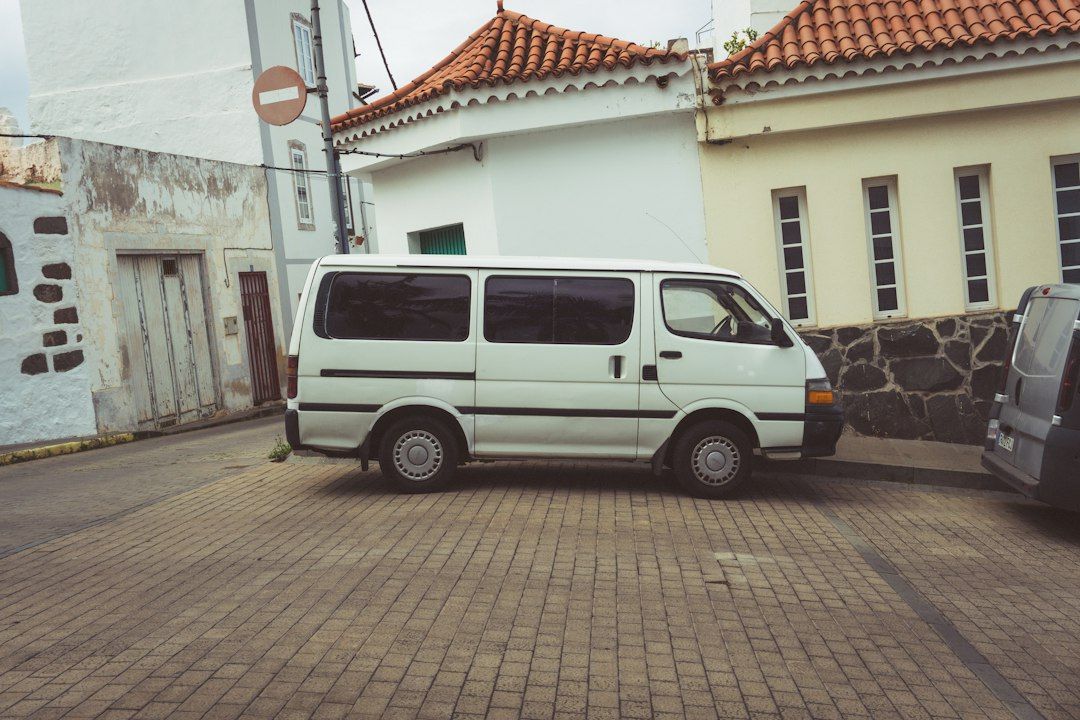
Liability or Full Protection: The Fork in the Road
Every month more than 2,000 commercial vehicles roll through Douglas County, according to the Nevada Department of Transportation. Each one represents an investment, a livelihood, and a potential lawsuit. After three decades helping Gardnerville owners insure everything from food trucks to HVAC vans, I can tell you the choice between basic liability and full coverage is rarely black-and-white. It can decide whether a minor fender-bender becomes a bookkeeping blip or a six-figure cash-flow crisis. This guide compares commercial auto insurance liability vs full coverage in plain English so you can match protection to both your balance sheet and your appetite for risk.
Nevada Business Auto Policy Choices at a Glance
Nevada law requires every business vehicle to carry at least 25,000 dollars bodily injury per person, 50,000 dollars per accident, and 20,000 dollars property damage. That is fine for a florist’s van, but it does little for a plumbing truck that totals a sports car on U.S. 395 or a box truck that clips a Tesla charging station. Jury awards—sometimes called nuclear verdicts—have climbed steadily in the West, averaging 1.7 million dollars for commercial auto liability in 2022, according to the Insurance Information Institute.
At the same time, repair costs jumped 15 percent year over year as parts shortages and advanced driver-assist sensors made even a bumper replacement pricey. These trends push many firms to explore broader business vehicle insurance types that absorb more than just third-party losses. The question owners ask me most: does upgrading to full coverage pay off, or can we stay lean with minimum limits?
Three factors drive the answer.
- Legal exposure: Federal rules demand up to 750,000 dollars in liability for trucks hauling goods across state lines. Nevada contracts often require similar proof before you can step on a jobsite.
- Asset value: If your fleet includes financed pickups or a refrigerated trailer worth six figures, collision and comprehensive are usually mandated by the lender.
- Cash reserves: A landscaper who can stroke a check for a new F-250 tomorrow might gamble with liability-only. A startup with razor-thin margins typically cannot. Understanding the difference between liability and full coverage commercial auto begins with these realities, not just price tags on a quote sheet.
Mapping the Difference Between Liability and Full Coverage Commercial Auto
What Liability Covers
- Bodily injury to others if your driver is at fault
- Property damage to someone else’s vehicle, fence, or storefront
- Court fees and settlements up to the policy limit Liability never fixes or replaces your own truck, tools, or cargo. That gap surprises more owners than you’d think, especially after a hailstorm dents every hood in the lot.
What Full Coverage Adds
Commercial auto full coverage explained usually refers to liability plus:
- Collision: Repairs or replacement for your vehicles after an at-fault crash, rollover, or parking lot scrape
- Comprehensive: Damage from theft, fire, hail, wildlife, or vandalism
- Uninsured motorist and medical payments: Optional in Nevada but inexpensive peace of mind
- Downtime reimbursement or rental: Keeps deliveries moving while the body shop works
Cost Snapshot From the Field
In 2023, our agency reviewed 112 quotes for small Nevada fleets. Median annual premium for liability-only on a light-duty pickup was 1,420 dollars. Adding collision and comprehensive raised the median to 2,060 dollars—about 53 dollars more per month. When the same pickup had a loan balance of 28,000 dollars, full coverage saved the owner 26,400 dollars after a total loss caused by a winter whiteout near Spooner Summit. That real file shows why the cheapest option on paper is not always cheapest in practice.
Beyond the Obvious: Extra Endorsements
- Hired and non-owned auto: Extends coverage when employees use personal cars for sales calls
- Trailer interchange: Protects shared flatbeds and reefers in logistics partnerships
- Combined single limit (CSL): One pool of money instead of split limits, popular among contractors who fear property lawsuits Not every business needs every bell and whistle, but knowing they exist lets you tailor Nevada business auto policy choices instead of settling for a one-size-fits-all package.
What I’ve Learned After 30 Years Behind the Desk
When insurers study loss ratios, they focus on frequency and severity. Owners should do the same. Frequency is higher for urban delivery vans; severity spikes for heavy trucks on highways. I advise clients to plot those two points on a simple X-Y grid. If both run high, full coverage usually wins. If both run low, liability may suffice with an emergency reserve fund.
A study by NHTSA found the average cost of a crash with injuries is 120,000 dollars. Compare that to the 600-dollar average annual difference between liability-only and full coverage we see for a three-truck plumbing outfit. One incident wipes out 200 years of savings.
Another lesson: contracts drive coverage. A regional beverage distributor came to us after losing a key account because their certificate showed split limits of 100/300/50 instead of a 1 million dollar CSL. Updating the policy and adding comprehensive added 1,900 dollars to their yearly spend but preserved a contract worth 320,000 dollars. Revenue protection often outweighs premium cost.
Looking forward, telematics discounts could narrow the price gap even more. Carriers now cut up to 20 percent for fleets that install dash cams and share driving data. We have pilots underway with three Gardnerville businesses, and early numbers suggest a 17 percent reduction in collision claims. Safer driving plus lower premiums makes the full-coverage discussion easier.
Finally, remember that insurance is not a lottery ticket. It is a contract transferring risk so you can focus on sales, staffing, and customer service. Whether you own a single bakery van or a dozen dump trucks, choose coverage that lets you sleep at night and grow during the day.
The Bottom Line
Liability takes care of the other driver. Full coverage takes care of you. When you weigh the rising cost of repairs, larger court awards, and contractual demands, the math often tilts toward broader protection. Still, every business is unique. Inventory value, loan obligations, and cash reserves all shape the smartest choice. Work with an advisor who knows Nevada roads, local statutes, and the realities of small-business cash flow. You will avoid surprises and keep your fleet earning instead of idling in a repair bay or courtroom.
Larry Peyton Insurance Agency LLC
You do not have to solve the liability-versus-full-coverage puzzle alone. At Larry Peyton Insurance Agency LLC, our team brings more than 100 years of combined experience to the table, backed by the friendly service only a hometown agency can provide. We will review your vehicles, contracts, and risk tolerance, then shop multiple carriers for options that fit your budget. Get a quote today and receive personalized assistance. Discover how we can help you protect your drivers, your equipment, and the future you are building.
By Larry Peyton Farmers Insurance & Team
Your local, trusted, insurance professional.
Fast, friendly quotes from top-rated carriers.